“How to listen without translating?
How to hear the ‘voice’ rather than just linguistic mediation
and its associated power?”
How to hear the ‘voice’ rather than just linguistic mediation
and its associated power?”
Project Overview:
Selected through a competitive open call organized by Dom Sztuki, I participated in an intensive research-led residency merging oral history and social archiving with sound studies. The project investigated the linguistic and ethnic diversity of Warsaw’s Grochów district by working with narratives recorded in Hindi, Ukrainian, Vietnamese, and Romani.
My Contribution: The Acoustic Archive of Tycjana
The Material:
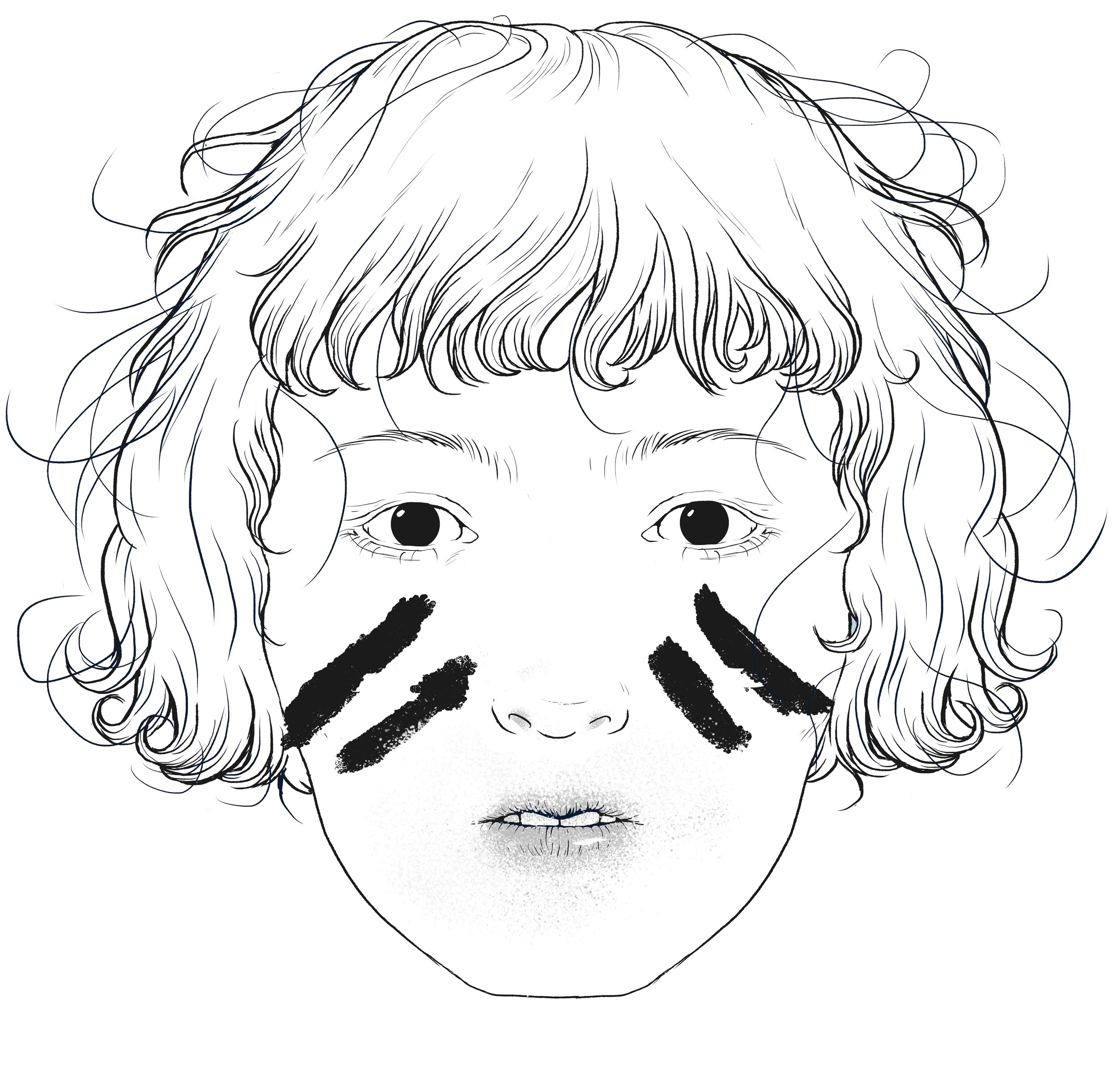
I was responsible for the artistic interpretation of a Romani-language interview with Tycjana, a young girl living in the district.
My Contribution: The Acoustic Archive of Tycjana
The Material:
I was responsible for the artistic interpretation of a Romani-language interview with Tycjana, a young girl living in the district.
The Process:
Using tools from sound studies and electronic music, I translated her spoken narrative into a site-specific soundscape. Moving beyond traditional archiving, I aimed to create a "sensory hearing" of her story—layering her voice with the unique acoustic ecology of her urban environment.
Using tools from sound studies and electronic music, I translated her spoken narrative into a site-specific soundscape. Moving beyond traditional archiving, I aimed to create a "sensory hearing" of her story—layering her voice with the unique acoustic ecology of her urban environment.
The Research Goal:
I explored how sonic archives can preserve the dignity of marginalized identities and how "non-translation" can challenge dominant linguistic power structures.
Public Presentation & Impact:
The final work was presented as a public, multi-channel sound installation at Szembek Square (Warsaw). The event accompanied the VI Congress of Social Archives (October 2025), merging contemporary sound art with social documentation.
Project Credits & Collaboration
Oral Histories: har Aksianiuk, Amrit, Angelina, Elian, Samanta Głowacka, Schabik Głowacki, Liubow Kuibida, Nguyen Thuy Duong, Tycjana
Artists/Researchers:
Gaba Duthel, Olga Głębicka, Dominika Klimek, Jakub Malinowski, Marta Palińska, Natalia Ptak, Greta Samuel, Jana Stępniewicz, Pola Trąbińska
Lead:
Dorian Widawski
Interviews & Translation:
Agnieszka Caban, Ewa Grabowska, Olga Khabibulina, Patrycja Mroczek, Satya Penmathsa, Ewa Pietraszek, Justyna Szymańska
Partners: City of Warsaw, Dom Sztuki
I explored how sonic archives can preserve the dignity of marginalized identities and how "non-translation" can challenge dominant linguistic power structures.
Public Presentation & Impact:
The final work was presented as a public, multi-channel sound installation at Szembek Square (Warsaw). The event accompanied the VI Congress of Social Archives (October 2025), merging contemporary sound art with social documentation.
Project Credits & Collaboration
Oral Histories: har Aksianiuk, Amrit, Angelina, Elian, Samanta Głowacka, Schabik Głowacki, Liubow Kuibida, Nguyen Thuy Duong, Tycjana
Artists/Researchers:
Gaba Duthel, Olga Głębicka, Dominika Klimek, Jakub Malinowski, Marta Palińska, Natalia Ptak, Greta Samuel, Jana Stępniewicz, Pola Trąbińska
Lead:
Dorian Widawski
Interviews & Translation:
Agnieszka Caban, Ewa Grabowska, Olga Khabibulina, Patrycja Mroczek, Satya Penmathsa, Ewa Pietraszek, Justyna Szymańska
Partners: City of Warsaw, Dom Sztuki
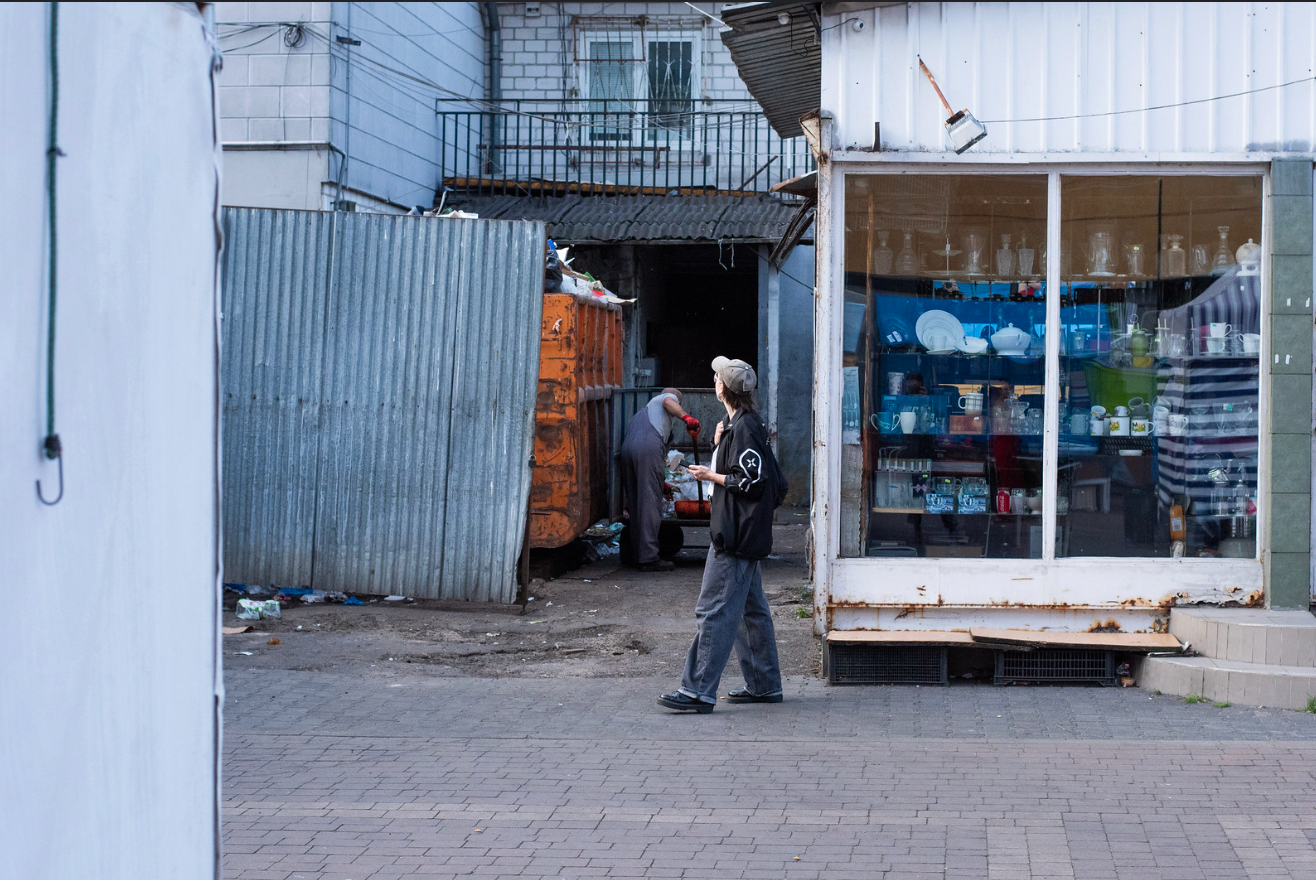
Documentation of the "Voices of Grochów" at Szembek Bazaar (2025). Photo: Adam Durjasz / Dom Sztuki
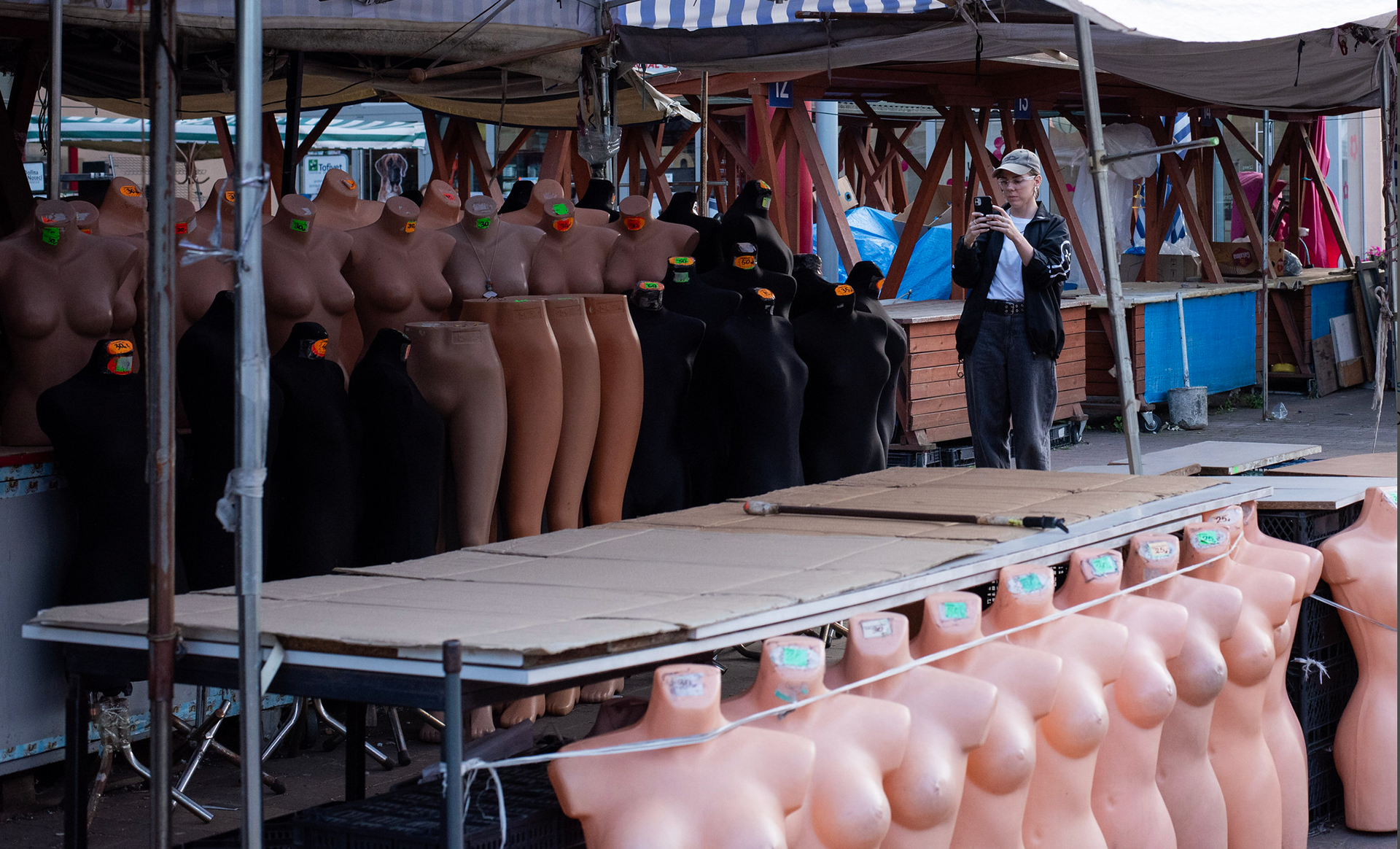
Documentation of the "Voices of Grochów" at Szembek Bazaar (2025). Photo: Adam Durjasz / Dom Sztuki