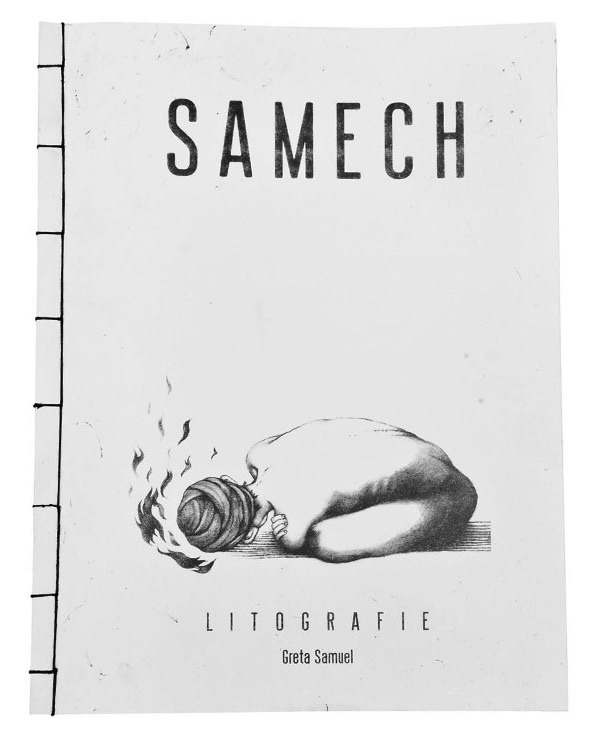
Project Title: SAMEKH
Project Description
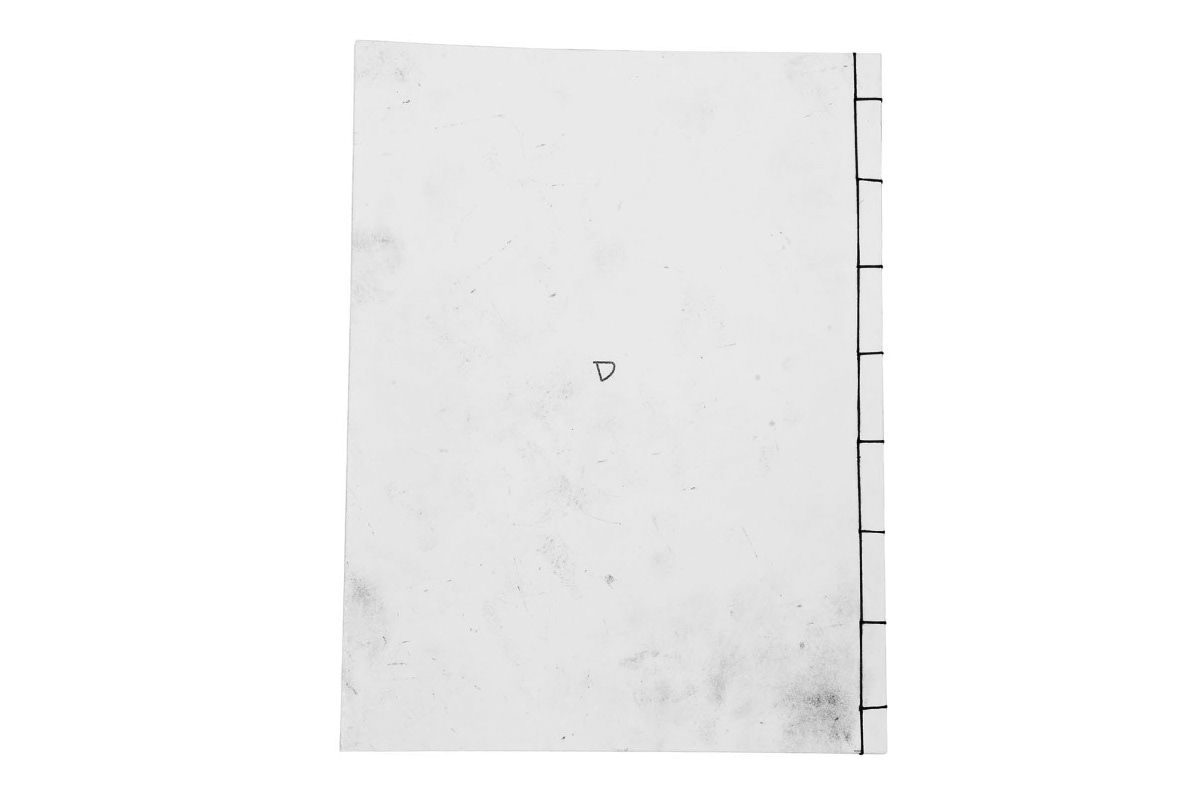
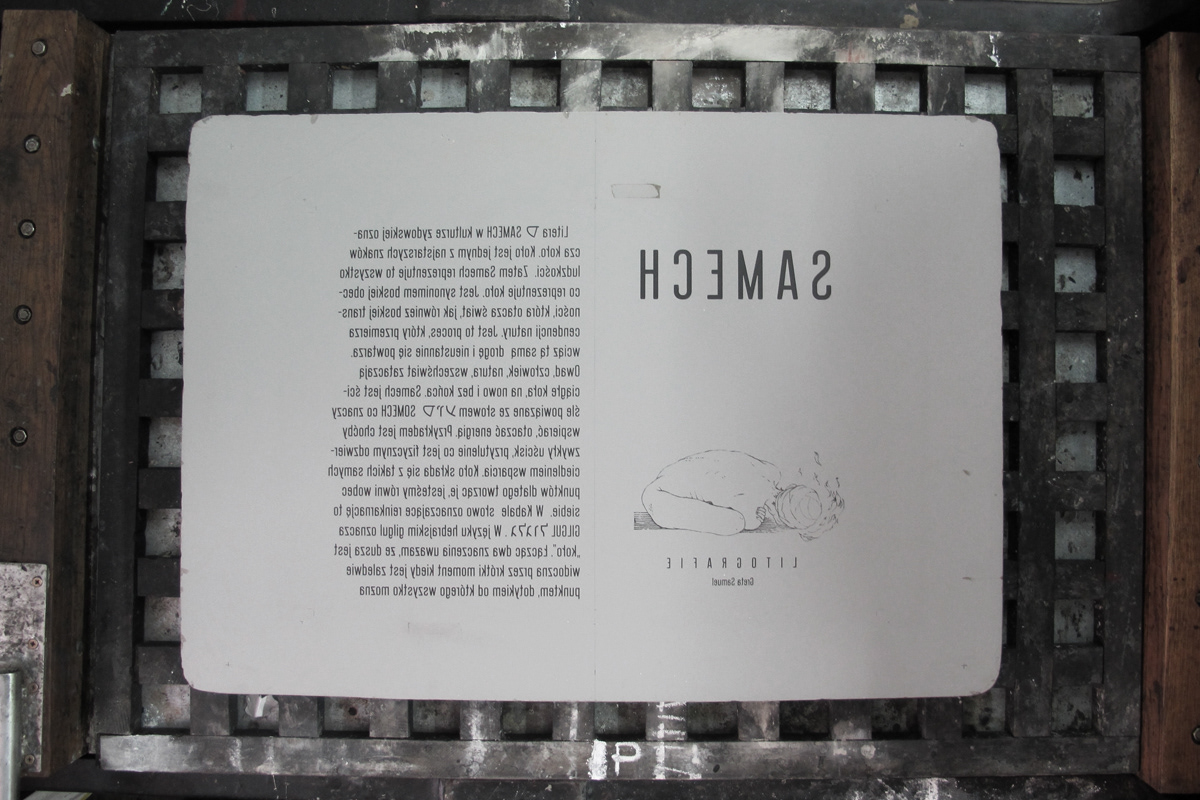
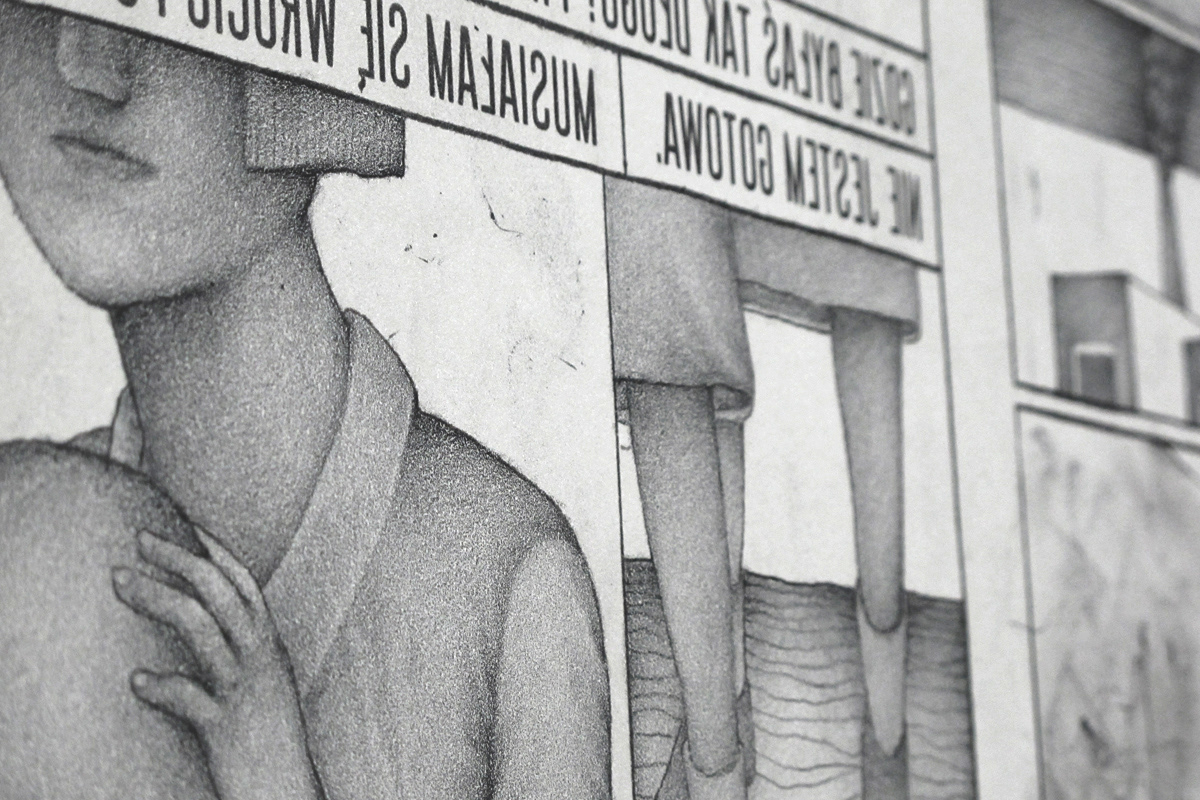
Foundational research project exploring the structural relationship between printmaking (lithography) and narrative sequencing. Through the documentation of three personal narratives of women navigating profound life challenges and trauma, the work utilized the artist’s book format to deconstruct complex emotional experiences. This project laid the methodological groundwork for my later exploration of social and migration narratives, marking the genesis of my interest in visual semiotics and the capacity of graphic storytelling to translate intangible human experiences.
Foundational research project exploring the structural relationship between printmaking (lithography) and narrative sequencing. Through the documentation of three personal narratives of women navigating profound life challenges and trauma, the work utilized the artist’s book format to deconstruct complex emotional experiences. This project laid the methodological groundwork for my later exploration of social and migration narratives, marking the genesis of my interest in visual semiotics and the capacity of graphic storytelling to translate intangible human experiences.
The project bridges the Hebrew symbolism of the letter Samekh (representing a circle, support, and return) with the methodology of "conscious listening." As an artist-researcher, I assumed the role of an observer, processing the narratives heard during group sessions into a language of visual allegory. The objective was to "domesticate" traumatic experiences through visual distancing and narrative transformation, translating heavy, personal testimonies into universal, metaphorical forms.
Research Methodology
Research Methodology
- Visual Translation of Trauma: The project employs the process of dissociation—transforming raw, personal narratives into universal, allegorical structures. By avoiding literal illustration in favor of metaphor, I aimed to alleviate the weight of collective anxiety, giving these stories a tangible form within the book format.
- The Materiality of the Medium: The choice of lithography was fundamental. The physical process of creating the matrix—the tactile contact between stone and drawing—serves as a direct reference to the symbolism of the "dot" (the origin) and the "circle" (the cycle). This technique adds a specific gravity and physical presence to the stories, corresponding to the thematic exploration of "carrying" or "supporting" one’s burden.
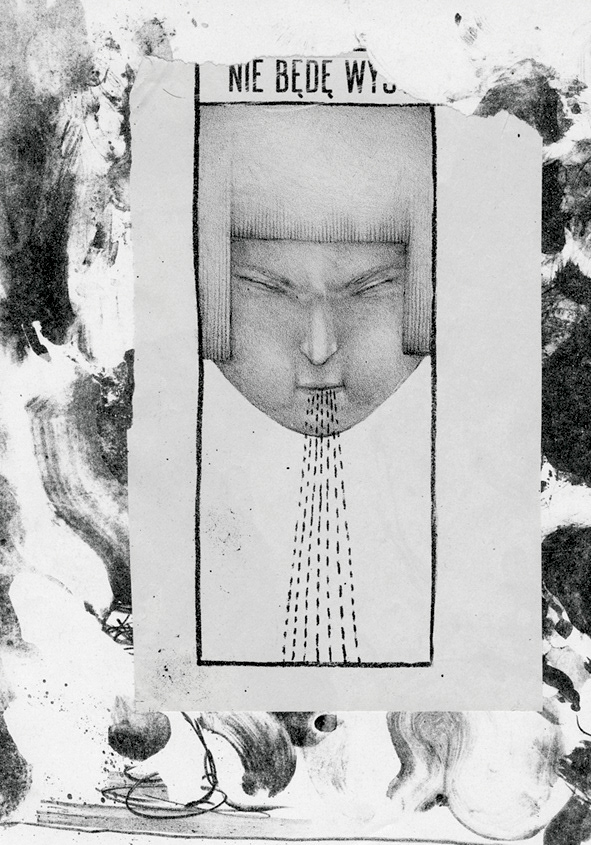
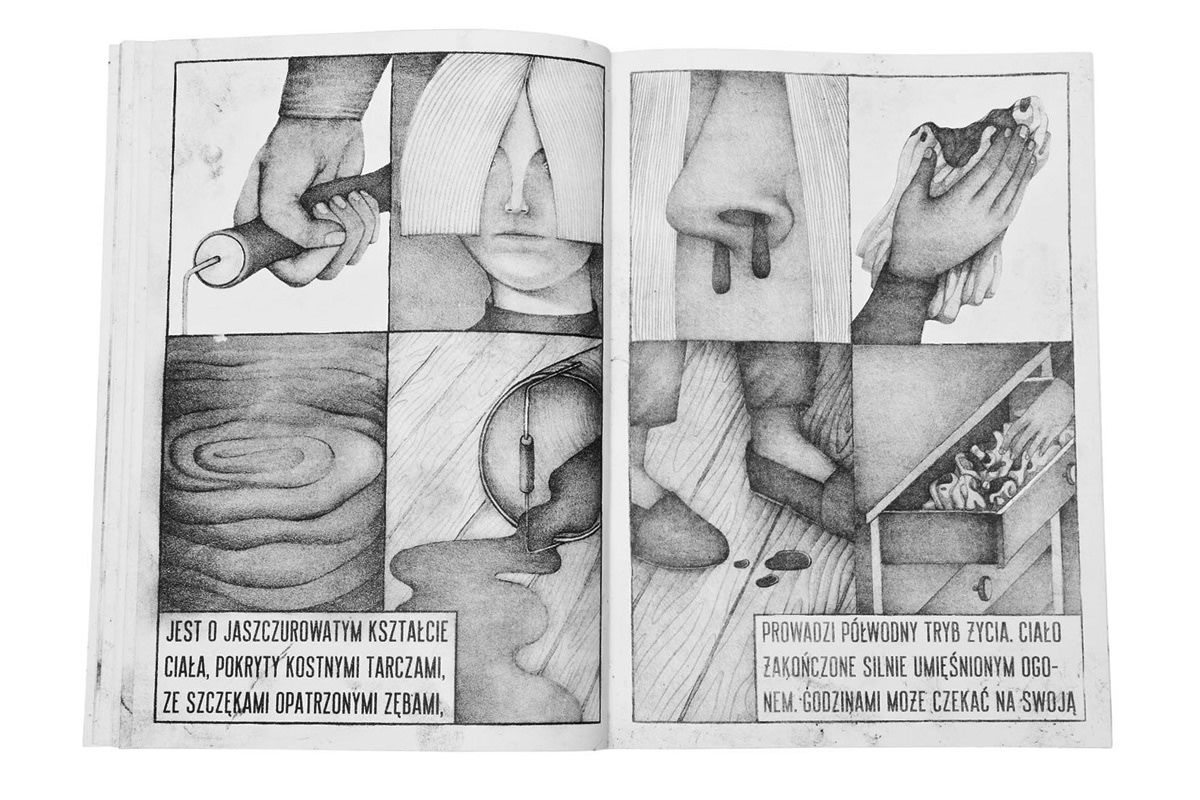
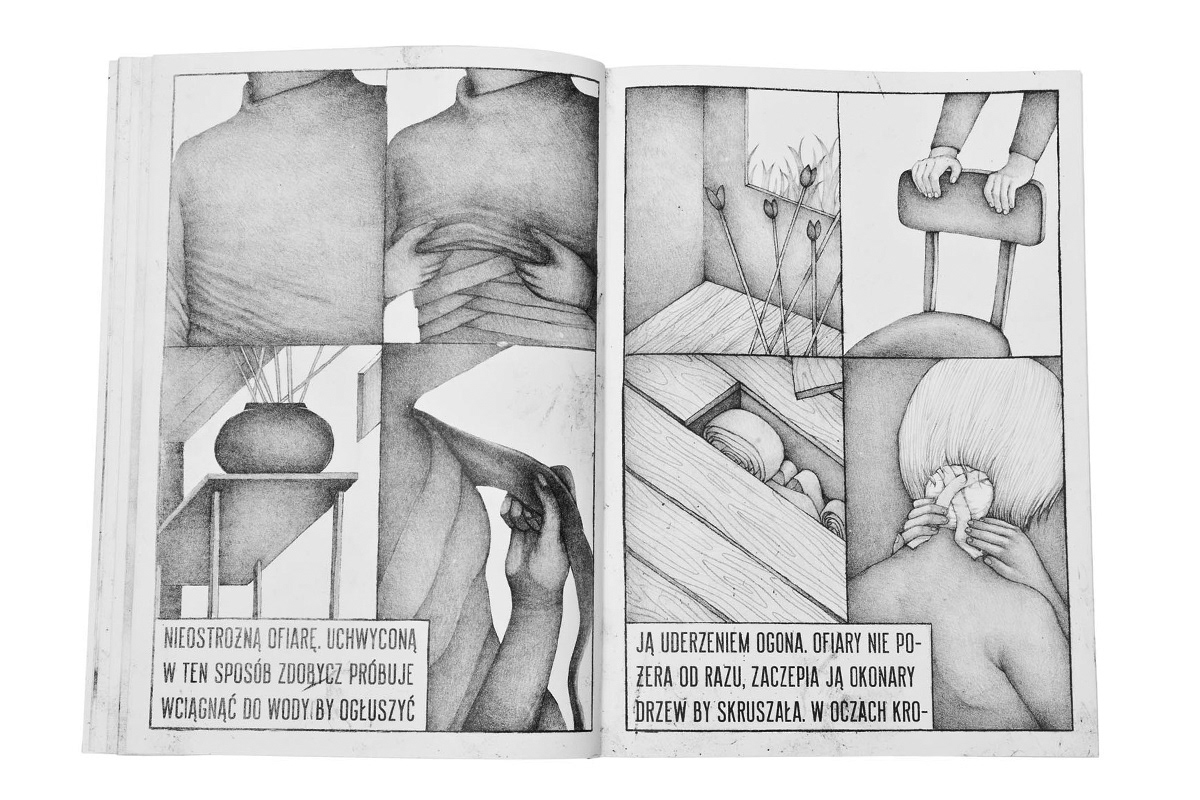
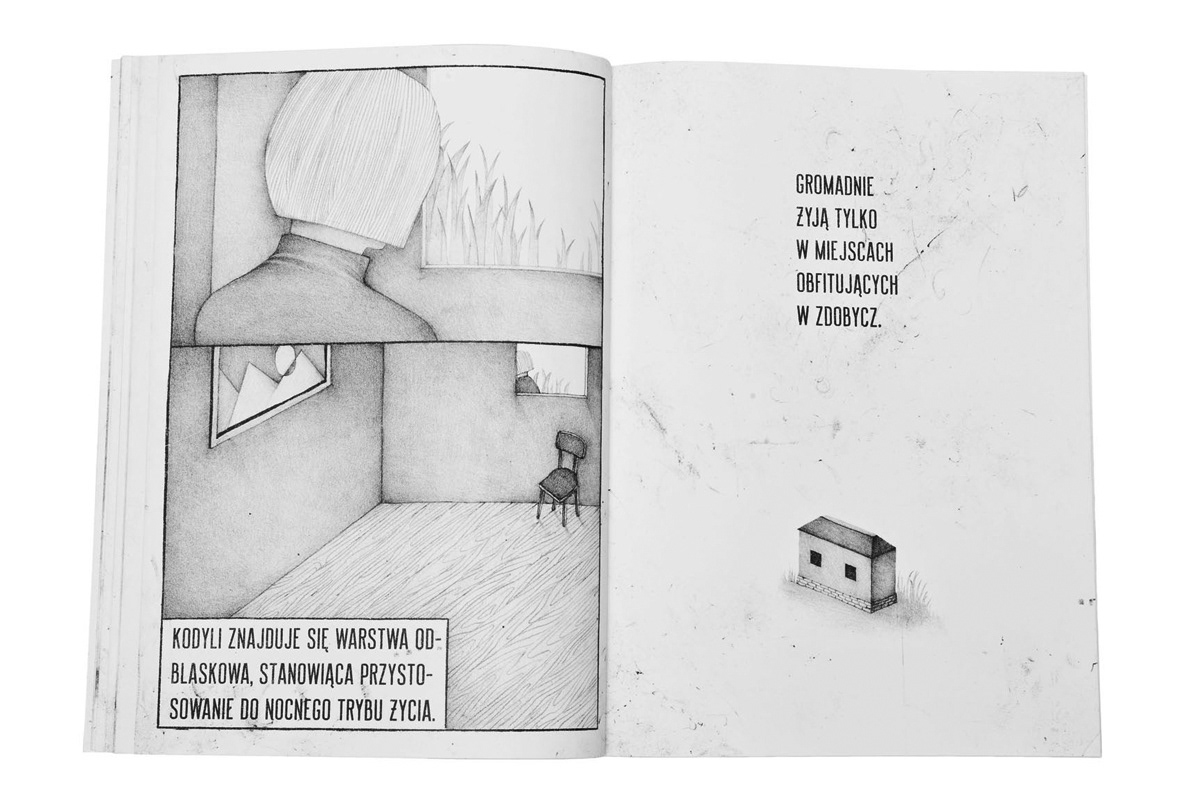
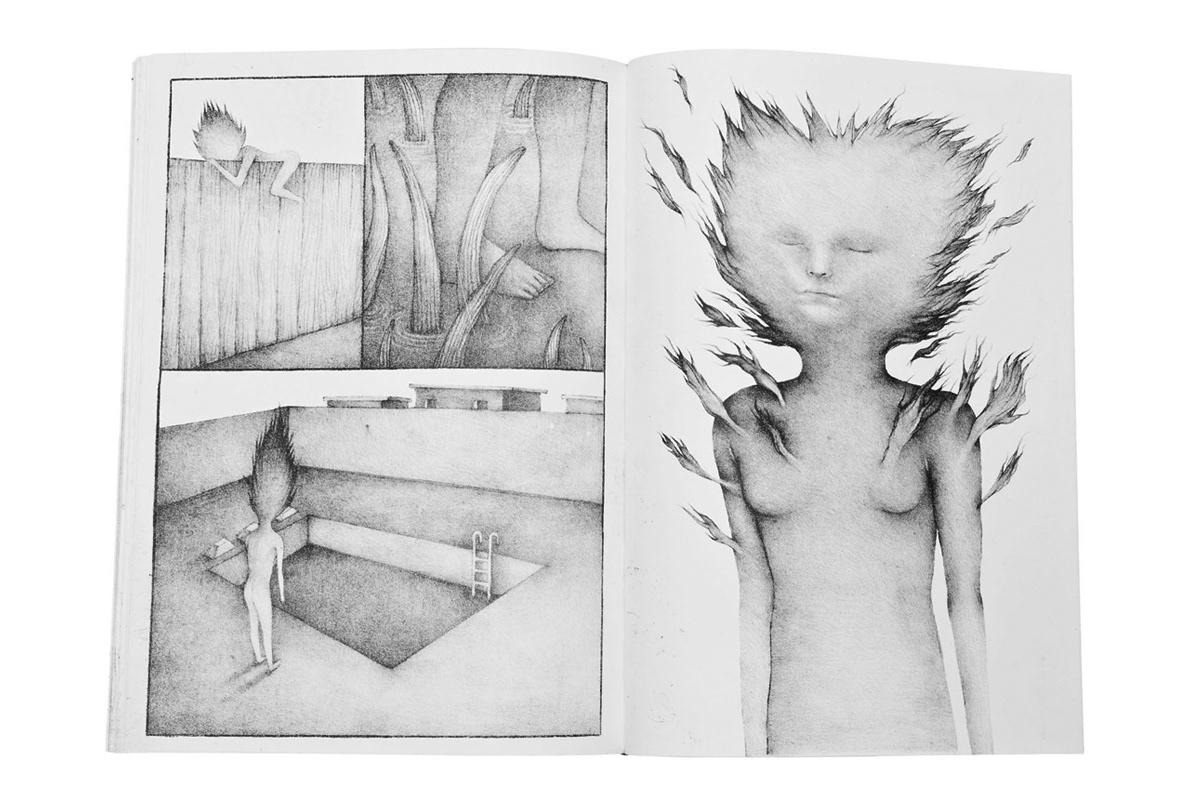
- Narrative Case Studies: The book consists of three independent narratives ("CMA" [Moth], "KROKODYL" [Crocodile], "MYKWA" [Mikveh]), which analyze various aspects of alienation, domestic violence, and the need for ritual purification. Each story serves as a visual inquiry into the complexities of identity, shame, and the potential for new beginnings.
Project Context:
Project Context:
Technique: Lithography (Artist’s book)
Format: A3, 32 pages
Format: A3, 32 pages
Context: Academy of Fine Arts in Warsaw, 2015.
Distinction: Awarded the Dean’s Commendation for outstanding academic performance.
TEXT in the book:
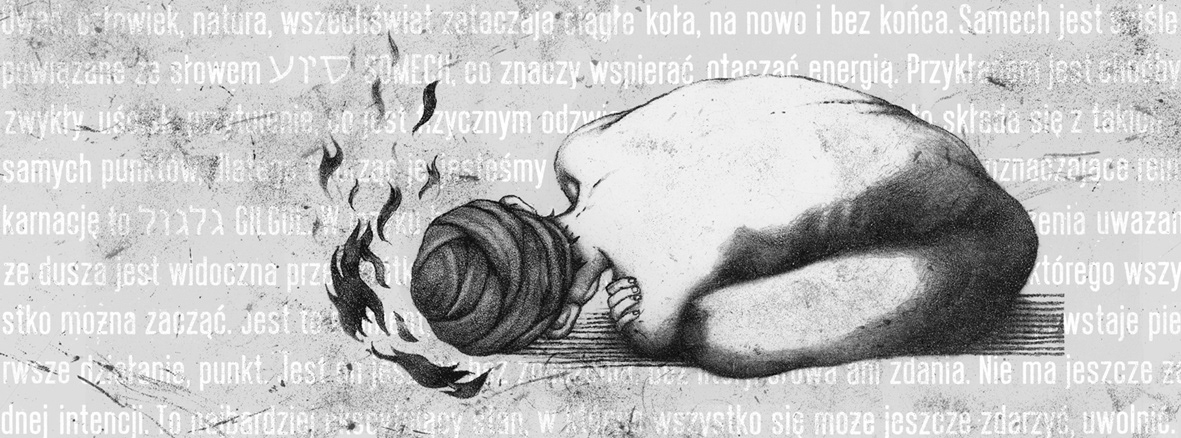
The Hebrew letter SAMEKH, with its closed, rounded form, is visually reminiscent of a circle—one of the oldest signs known to humanity. Through this shape, Samekh evokes everything that a circle embodies. It is synonymous with God’s presence that embraces the world and with nature's divine transcendence. It is a process that keeps coming back, endlessly repeating itself. An insect, a human being, nature, the universe—they all go in circles, over and over again, ceaselessly.
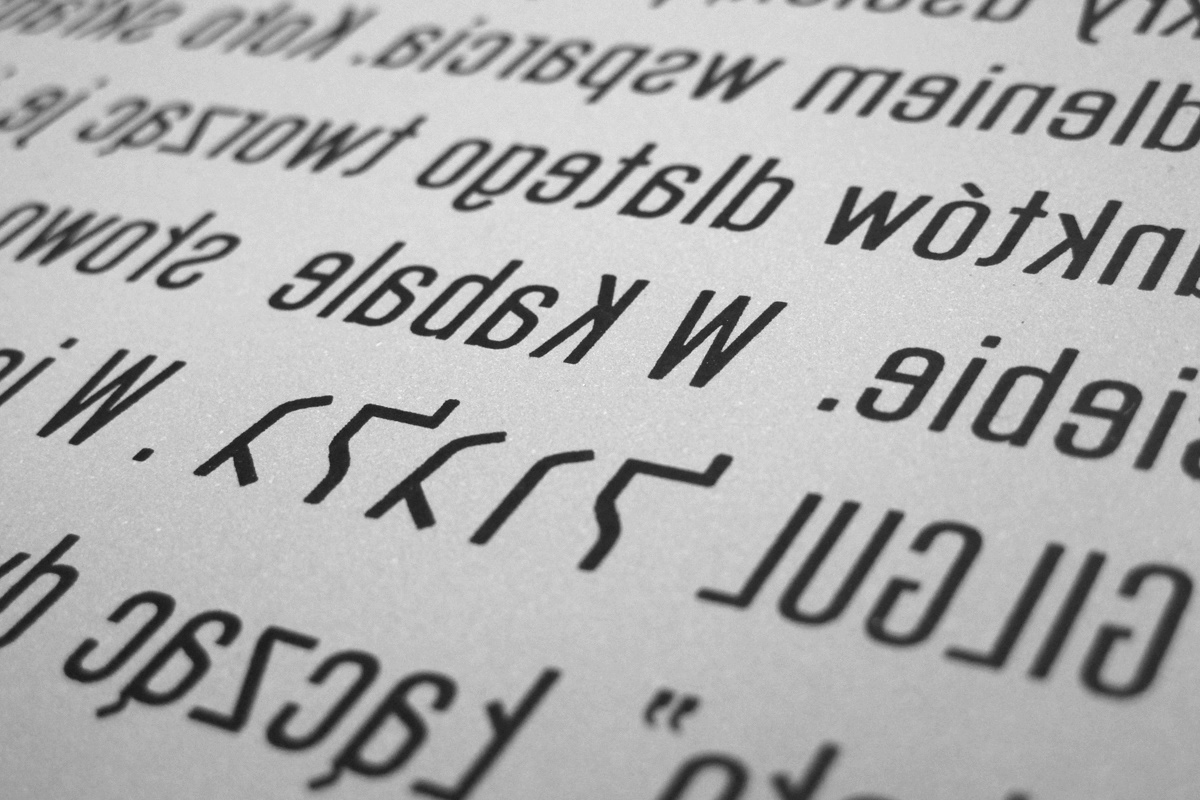
While the letter suggests a cycle in its form, its name is closely related to SOMECH, which means "to support" or "to surround with energy." A good example is a simple hug, which is the physical equivalent of showing support. A circle is made of identical, equal dots; therefore, in creating a circle, we are equals. In Kabbalah, the word for reincarnation is GILGUL. In Hebrew, it means "circle."
When we combine these concepts, we can see that the soul is only visible for a brief moment when it is merely a dot—a touch that initiates everything. It is the moment when we are holding the pencil in our hand, put it to the paper, and start writing or drawing, forming the first dot. It has no meaning yet; it is not yet a letter, a word, or a sentence. It shows no intentions yet. This is the most exciting stage when anything can happen, be changed, be set free.
When we combine these concepts, we can see that the soul is only visible for a brief moment when it is merely a dot—a touch that initiates everything. It is the moment when we are holding the pencil in our hand, put it to the paper, and start writing or drawing, forming the first dot. It has no meaning yet; it is not yet a letter, a word, or a sentence. It shows no intentions yet. This is the most exciting stage when anything can happen, be changed, be set free.
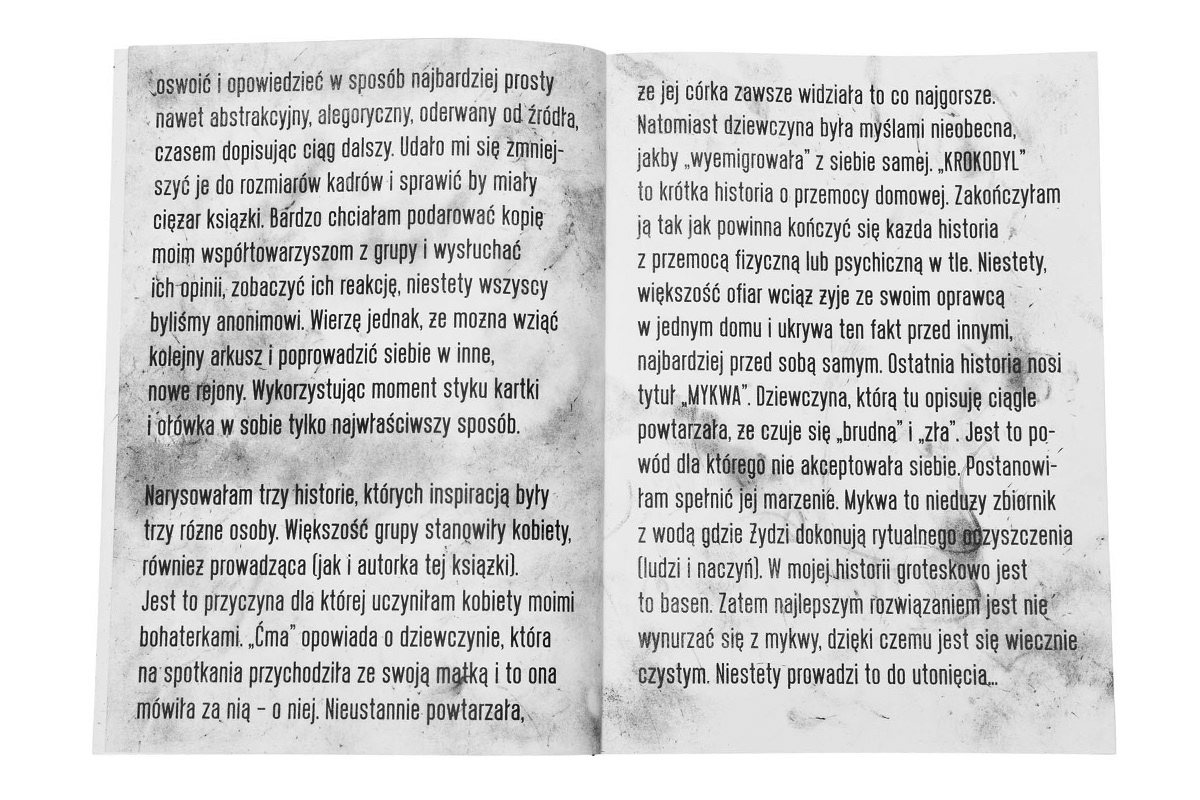
This thought was on my mind when I was working on my book. For a short time, I had been going to the meetings of Towarzystwo Interwencji Kryzysowej (Association for Crisis Intervention—an organization that helps prevent domestic violence). Everyone sitting in a circle in a small, stuffy room was allowed to talk about their problems, not just to the psychologist, but also to the rest of the group. Everyone could exercise their right to speak or to remain silent. I chose the latter. I was a listener and a witness, and this is how these stories came into being. Everyone in the circle thought their problem was the biggest, the heaviest, and impossible to talk about or solve.
I wanted to make the troubles smaller, domesticate them, and tell about them in the simplest possible manner, even in an abstract way—allegorically, dissociating them from their source, sometimes writing my own continuation. I managed to reduce them to the size of movie frames and give them the weight of a book. I wanted to present a copy to each member of the group and know what they think, see their reactions; unfortunately, we were all anonymous. But I believe one can take a new sheet of paper and lead oneself into new, undiscovered regions, making use, in our own particular way, of the instance when the pencil meets the paper.
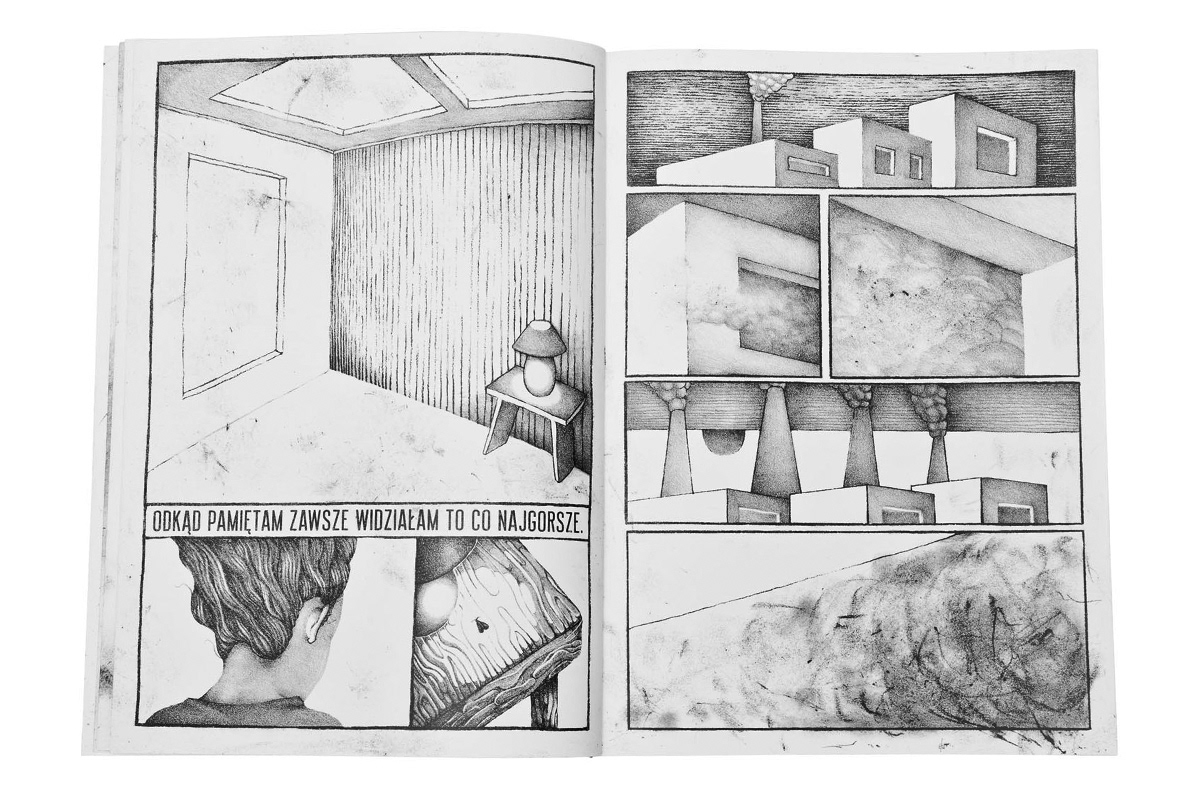
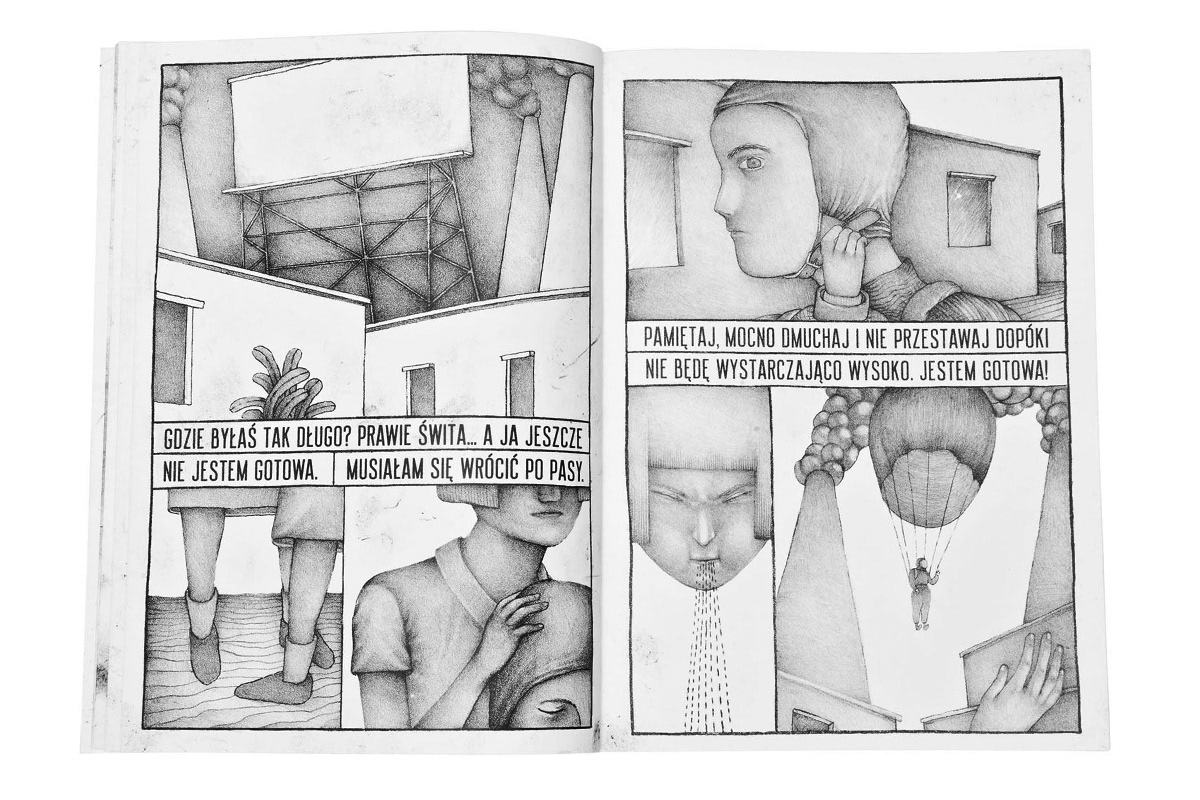
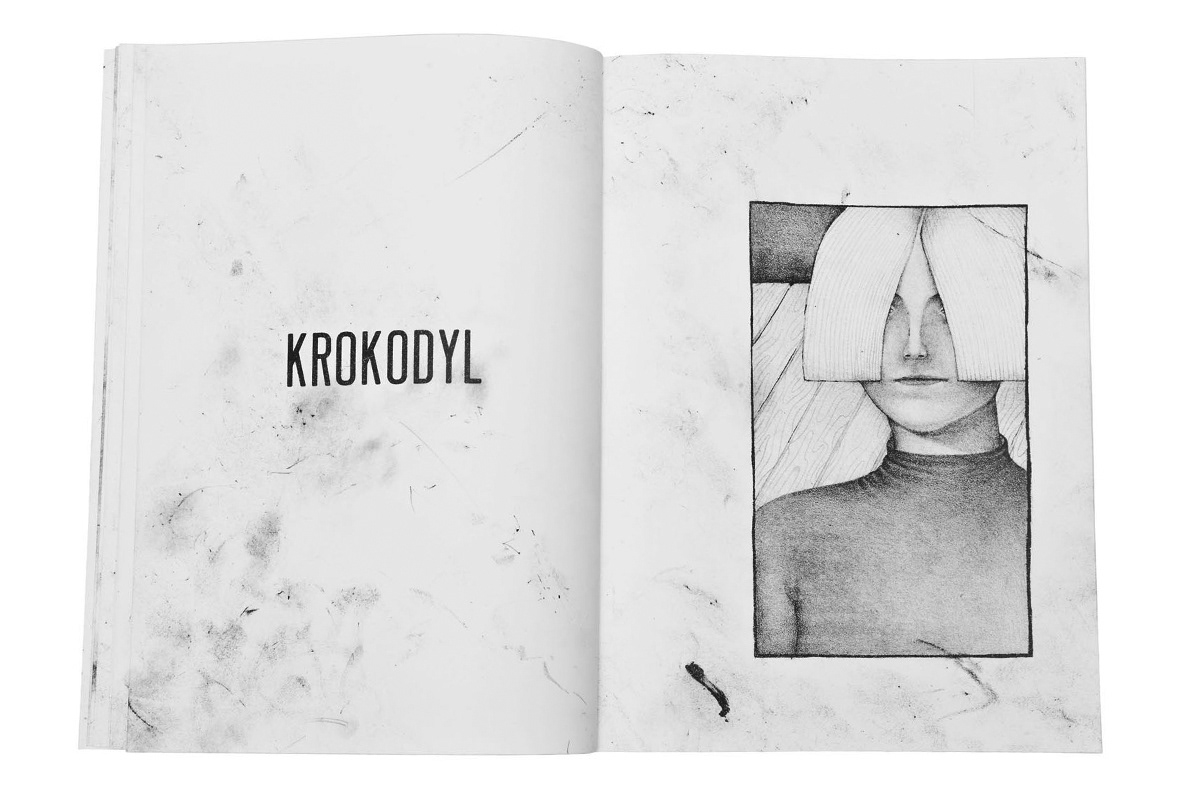
I drew three stories, inspired by three different people. Most members of the group (including the moderator and me) were women. That is why I made women the protagonists of my book. "CMA" ("moth") tells the story of a girl who came to the meetings with her mother, who spoke for her—and about her. The mother kept repeating that her daughter could only see the worst in everything. And the girl seemed absent, as if she had emigrated from her body. "KROKODYL" ("crocodile") is a short story of domestic violence. I gave it an ending that every story of physical or psychological violence should have.
Sadly, in reality, most victims continue to live with their torturers and hide the fact from others, and, most importantly, from themselves. The last story is called "MYKWA" ("mikveh"). The girl I am describing kept repeating that she felt "dirty" and "bad" and therefore was unable to accept herself. I decided to make her dream come true. Mikveh is a small bath filled with water used for ritual purification (of people and vessels). In my story, the mikveh is, grotesquely enough, a swimming pool. The best solution is never to leave mikveh so that we can always remain clean. Unfortunately, this may lead to drowning.
Sadly, in reality, most victims continue to live with their torturers and hide the fact from others, and, most importantly, from themselves. The last story is called "MYKWA" ("mikveh"). The girl I am describing kept repeating that she felt "dirty" and "bad" and therefore was unable to accept herself. I decided to make her dream come true. Mikveh is a small bath filled with water used for ritual purification (of people and vessels). In my story, the mikveh is, grotesquely enough, a swimming pool. The best solution is never to leave mikveh so that we can always remain clean. Unfortunately, this may lead to drowning.
Text: Greta Samuel (Rei)
Transl: Adam Zdrodowski
Transl: Adam Zdrodowski