Project Title: Visual Advocacy: Human Rights & Graphic Narratives
A Practice-Based Inquiry into Visual Storytelling and Social Justice
Project Description:
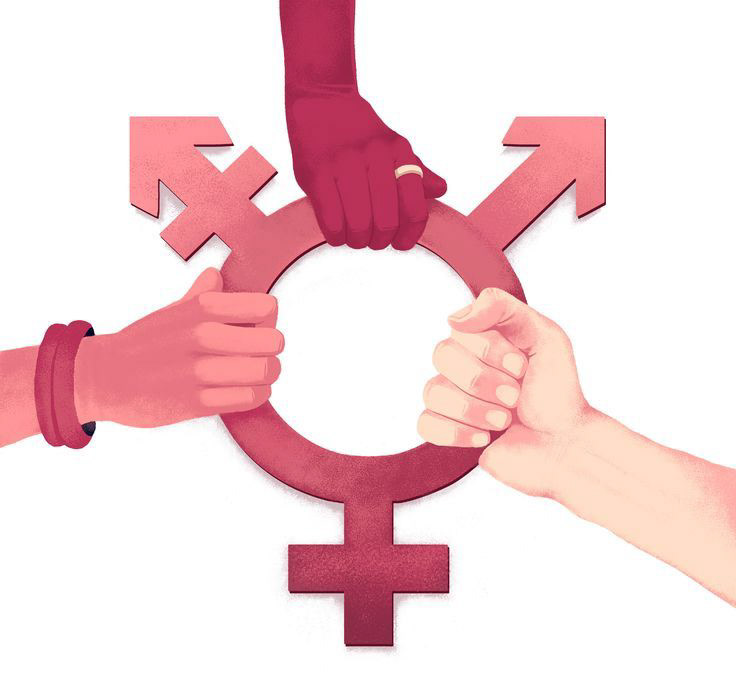
This project functioned as an interdisciplinary inquiry into the role of visual narrative within human rights communication. The primary objective was to develop a framework for Visual Advocacy—the translation of complex, abstract legal and social postulates into a graphic language capable of evoking authentic public empathy. By bridging design and human rights discourse, the work aimed to activate public awareness through strategic visual storytelling.
Research Methodology
Representational Ethics:
My creative methodology centered on the ethics of representation. I examined how the visualization of human rights violations influences public perception and engagement.
My creative methodology centered on the ethics of representation. I examined how the visualization of human rights violations influences public perception and engagement.
Synthesis of Data:
The work involved a systematic synthesis of factual data provided by the project partner, processed through my own formal investigations to imbue the narrative with both dynamic energy (through animation) and emotional gravitas.
The work involved a systematic synthesis of factual data provided by the project partner, processed through my own formal investigations to imbue the narrative with both dynamic energy (through animation) and emotional gravitas.
Visual Inquiry:
This project served as an exploration of how graphic forms can serve as a conduit for justice, bridging the gap between clinical/legal reporting and human-centric storytelling.
This project served as an exploration of how graphic forms can serve as a conduit for justice, bridging the gap between clinical/legal reporting and human-centric storytelling.
Research Contribution:
This project tested the hypothesis that graphic storytelling significantly enhances message retention and educational efficacy in social campaigns when compared to standard communication formats. The resulting work serves as a foundational case study within my ongoing practice-based research into visual tools that support social justice and human rights advocacy.
This project tested the hypothesis that graphic storytelling significantly enhances message retention and educational efficacy in social campaigns when compared to standard communication formats. The resulting work serves as a foundational case study within my ongoing practice-based research into visual tools that support social justice and human rights advocacy.
Project Context:
Partnership: Amnesty International / Borderline Studio, London
Year: 2018
Role: Lead Visual Narrator / Creative Strategist
Focus: Developing graphic frameworks for social impact communication.


Project: Gendered Authorship and the Erasure of Female Agency
Collaboration:
Culture Trip, London (2018)
Project Context:
This visual inquiry investigates the historical phenomenon of gendered attribution within the Modernist movement. The project highlights the systemic erasure of female creative contributions, where intellectual and artistic ownership was frequently and disproportionately attributed to male contemporaries.
This visual inquiry investigates the historical phenomenon of gendered attribution within the Modernist movement. The project highlights the systemic erasure of female creative contributions, where intellectual and artistic ownership was frequently and disproportionately attributed to male contemporaries.
Methodology (Visual Semiotics):
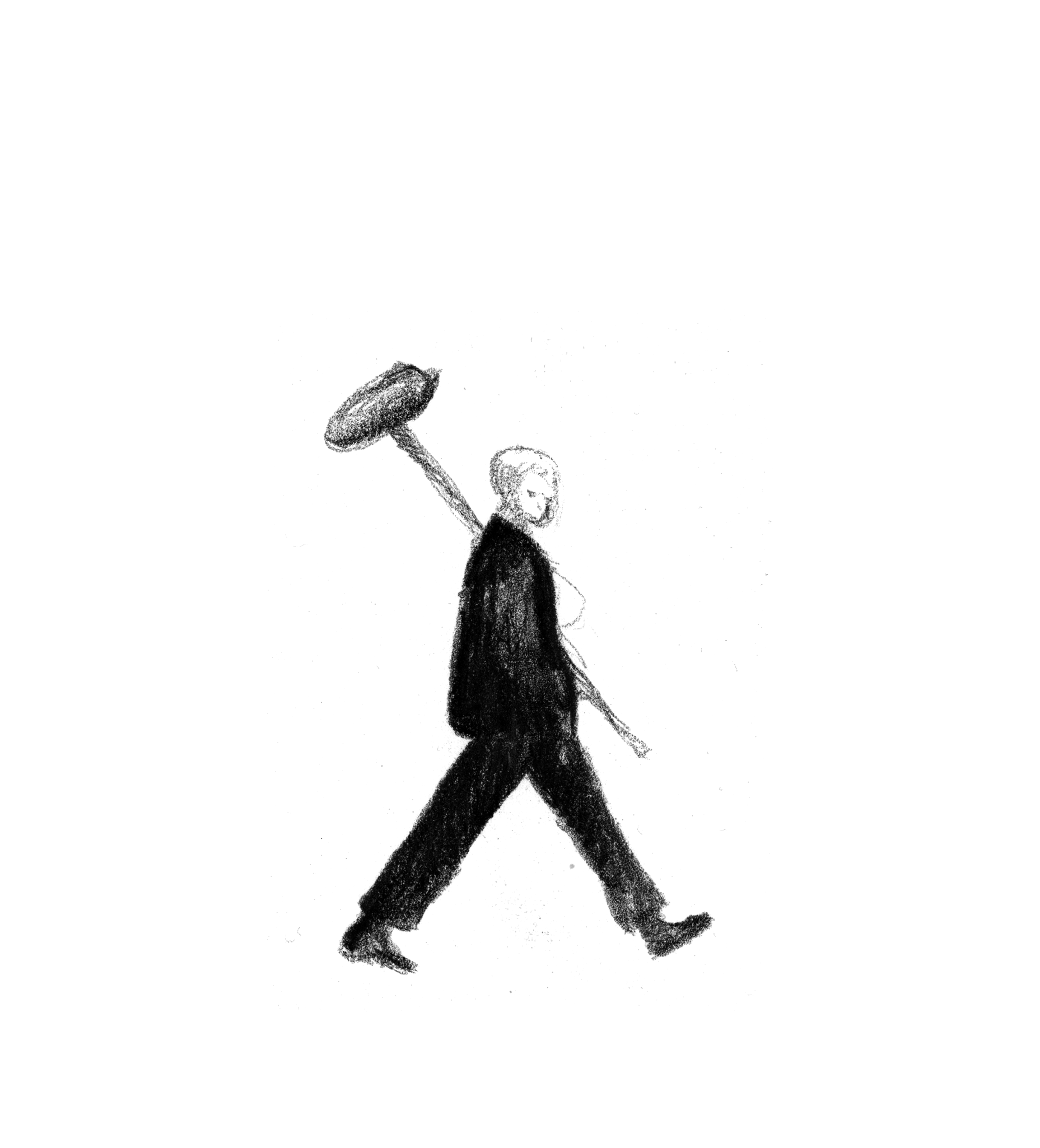
My approach utilizes visual semiotics to translate abstract historical grievances into a tangible graphic argument. The composition—juxtaposing the formal, authorized space of the "masculine" archive with the fragmented, marginalized status of the "feminine" contribution—functions as a visual critique of historical documentation. By visualizing the dichotomy between recognized authorship and suppressed labor, this work aims to expose the mechanisms of patriarchal appropriation in art and design history.
My approach utilizes visual semiotics to translate abstract historical grievances into a tangible graphic argument. The composition—juxtaposing the formal, authorized space of the "masculine" archive with the fragmented, marginalized status of the "feminine" contribution—functions as a visual critique of historical documentation. By visualizing the dichotomy between recognized authorship and suppressed labor, this work aims to expose the mechanisms of patriarchal appropriation in art and design history.
Research Contribution:
This project serves as an act of counter-archiving. It does not merely illustrate history; it problematizes the ways in which historical canons are constructed. Through graphic narrative, I seek to reclaim the visibility of these "forgotten pioneers," contributing to a broader academic discourse on gender equity in the design canon.
This project serves as an act of counter-archiving. It does not merely illustrate history; it problematizes the ways in which historical canons are constructed. Through graphic narrative, I seek to reclaim the visibility of these "forgotten pioneers," contributing to a broader academic discourse on gender equity in the design canon.

Collaboration: Culture Trip, London (2018)