Research Practice
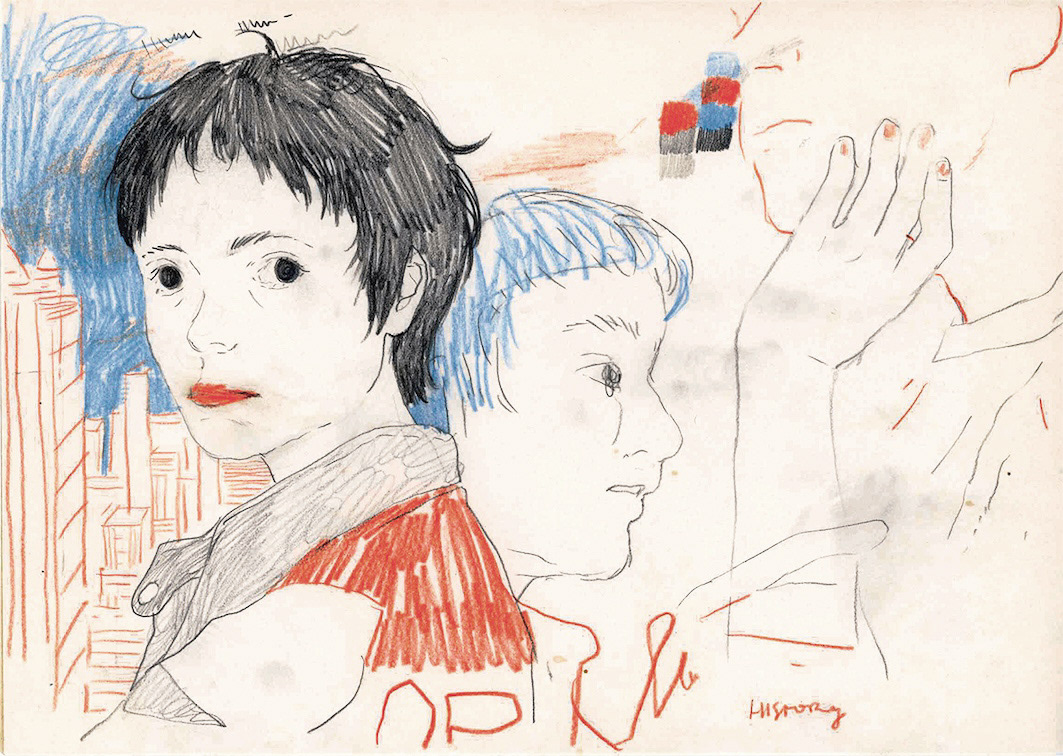
My research operates at the intersection of visual narratology, sensory ethnography, and acoustic ecology. As an artist-researcher, I employ practice-based research (PBR) methodologies to explore how graphic storytelling can serve as a tool for documenting and disseminating lived experiences—particularly those related to neurodivergence, displacement, and social alienation.
Methodological Framework: Research-by-Design
My work rejects the traditional separation between "theoretical inquiry" and "creative output." Instead, I utilize Research-by-Design, where the act of creating—be it a documentary comic, an auto-ethnographic zine, or a sensory map—is itself the process of data collection and analysis. By bridging traditional archival research with sensory-based artistic practice, I develop novel methodologies for visualizing "invisible" data, such as acoustic vibrations or subjective sensory states.
Core Research Pillars
My current inquiry is structured around three primary themes:
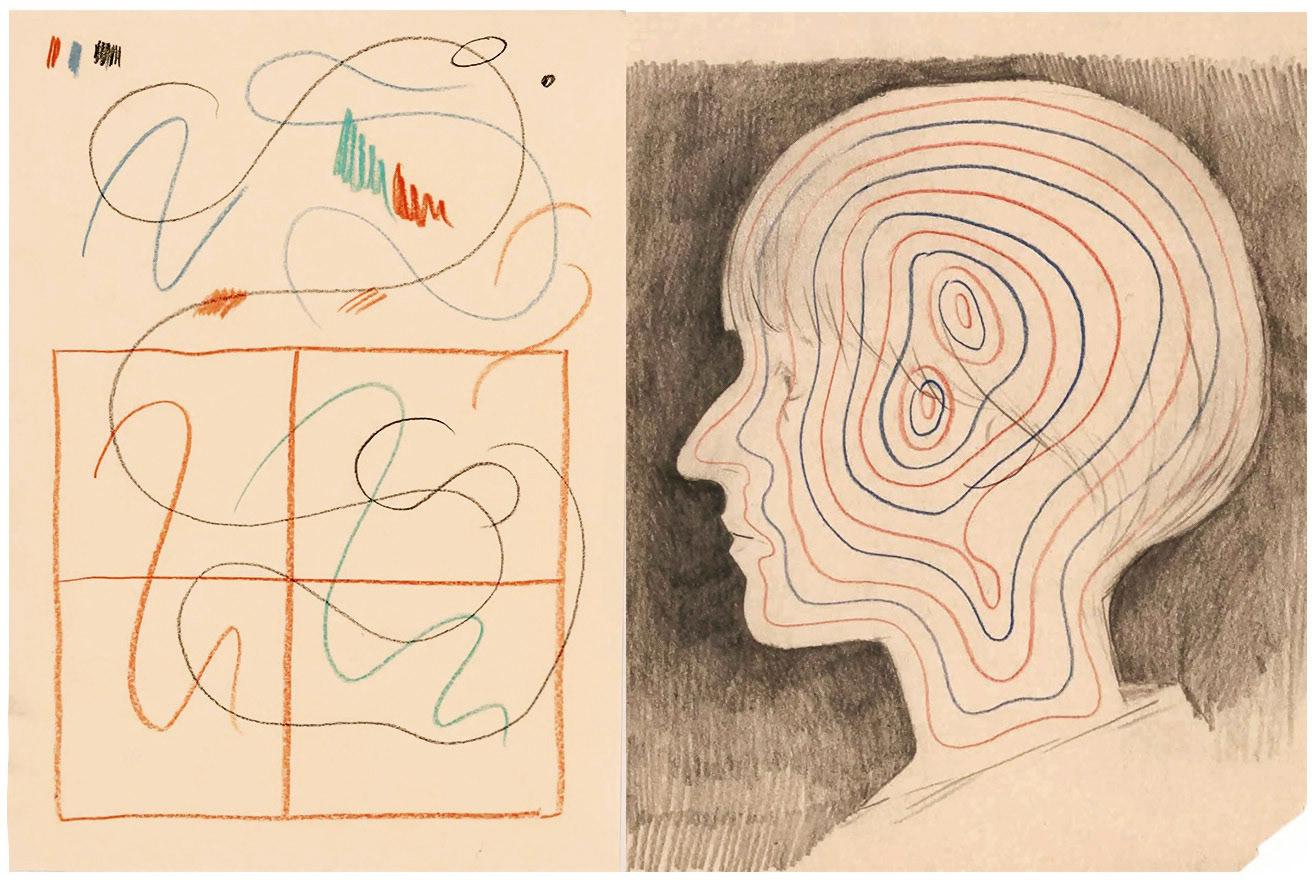
Neuroqueer Aesthetics: Investigating how graphic narratives can challenge normative perceptions of space and time. This pillar focuses on mapping the subjective sensory experiences of autistic adults, utilizing visual storytelling to externalize states of "masking" and neurodivergent perception.
Neuroqueer Aesthetics: Investigating how graphic narratives can challenge normative perceptions of space and time. This pillar focuses on mapping the subjective sensory experiences of autistic adults, utilizing visual storytelling to externalize states of "masking" and neurodivergent perception.
Sonic Graphy (Graphic Sensory Transduction):
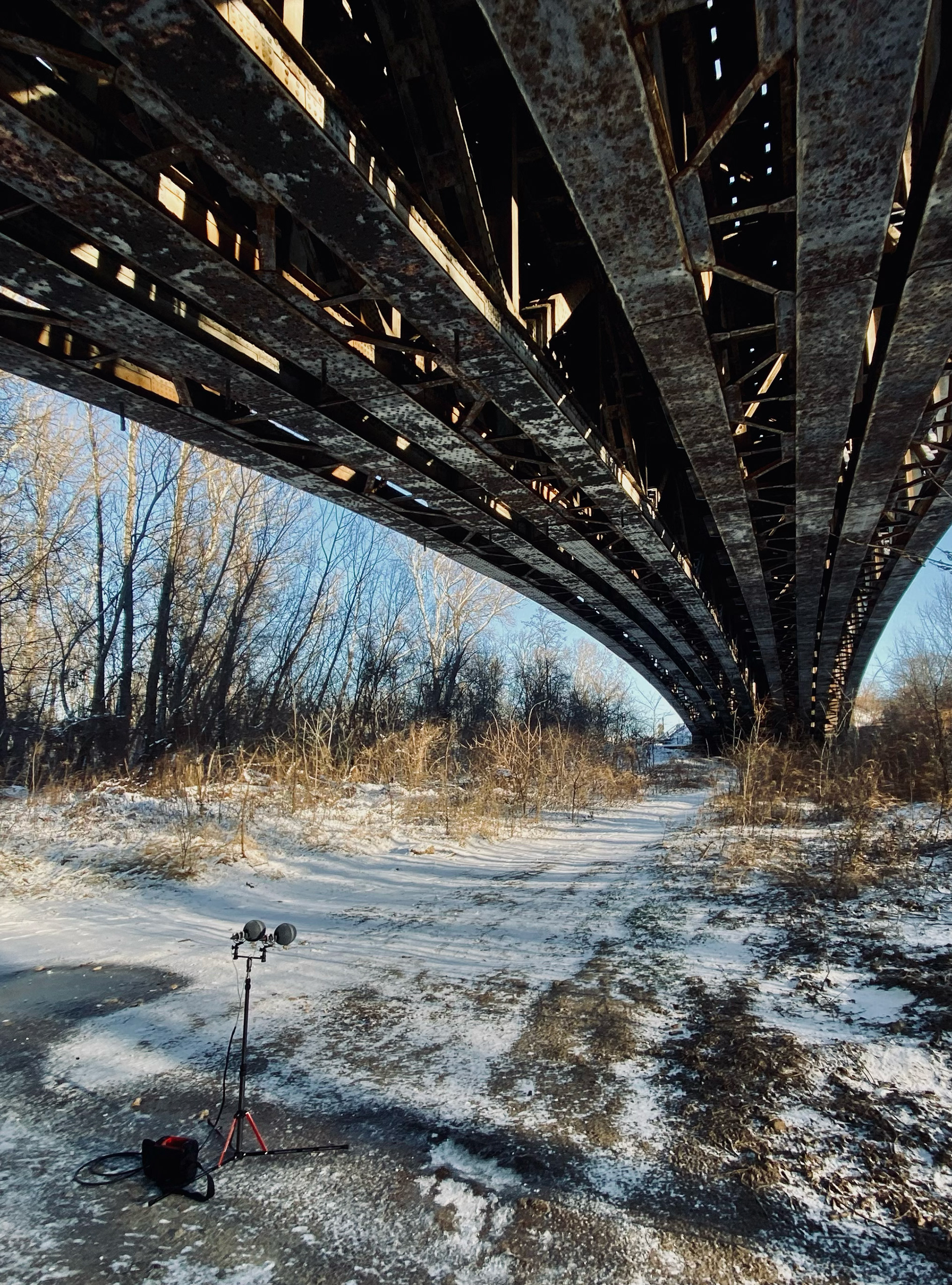
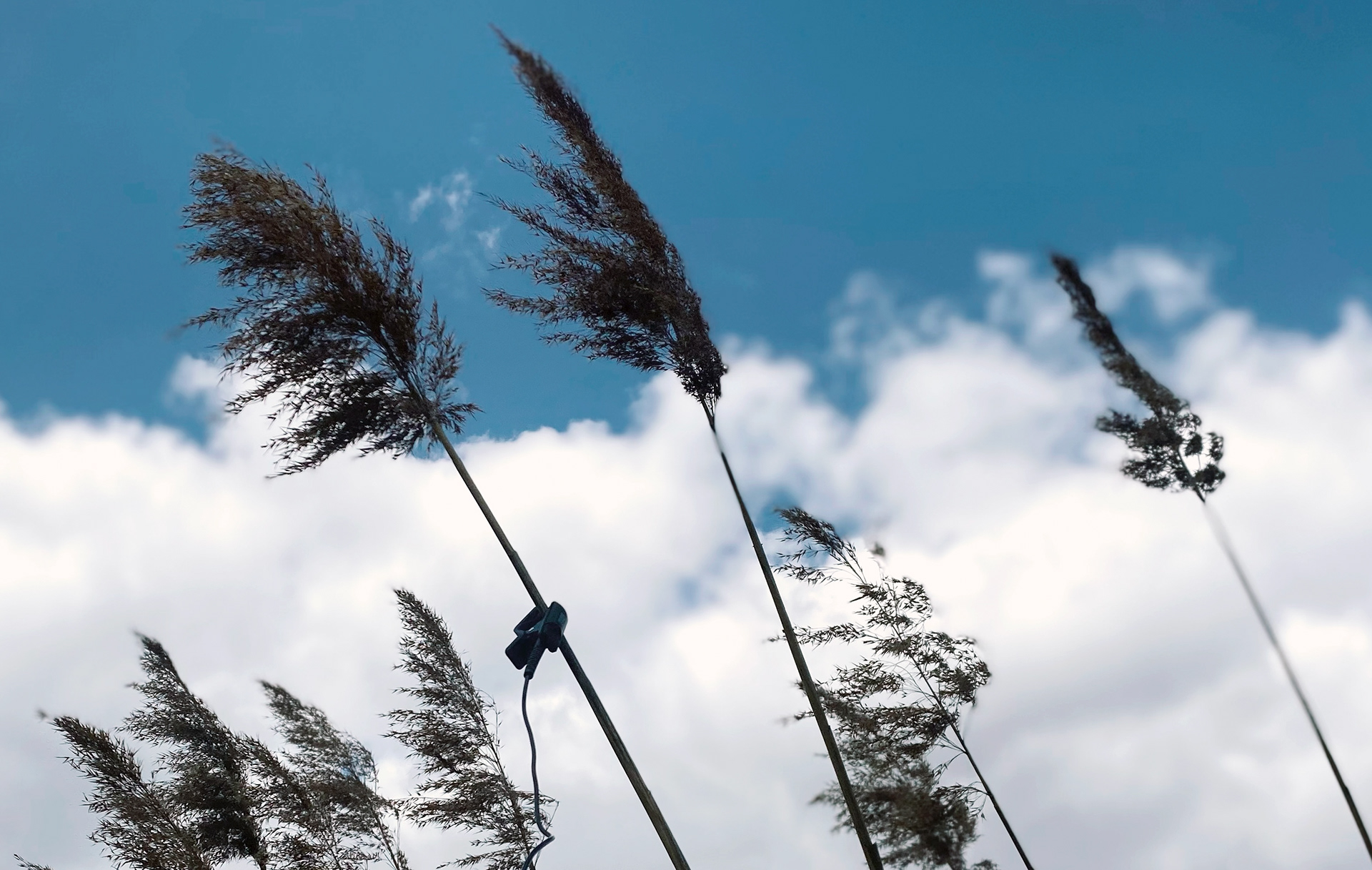
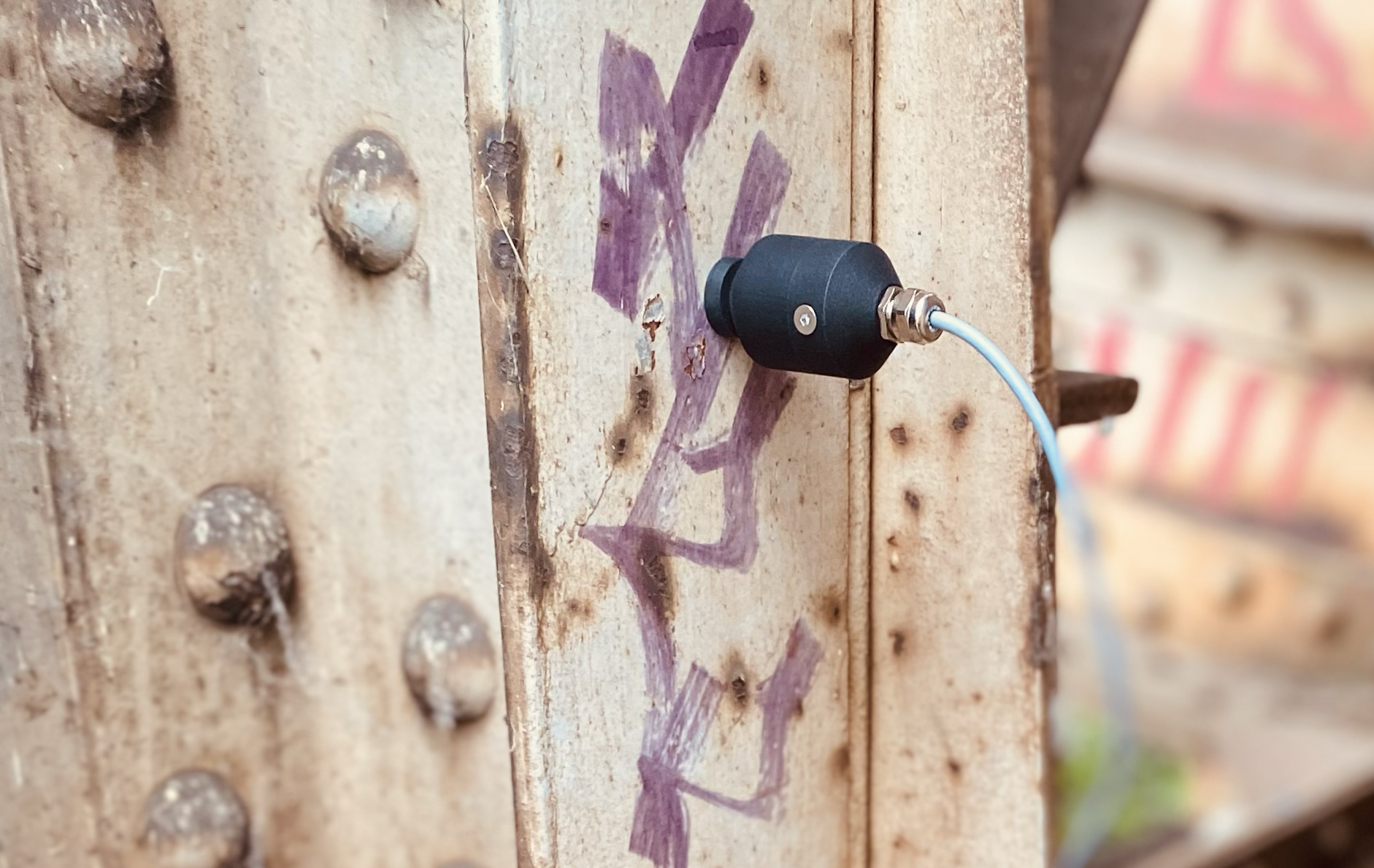
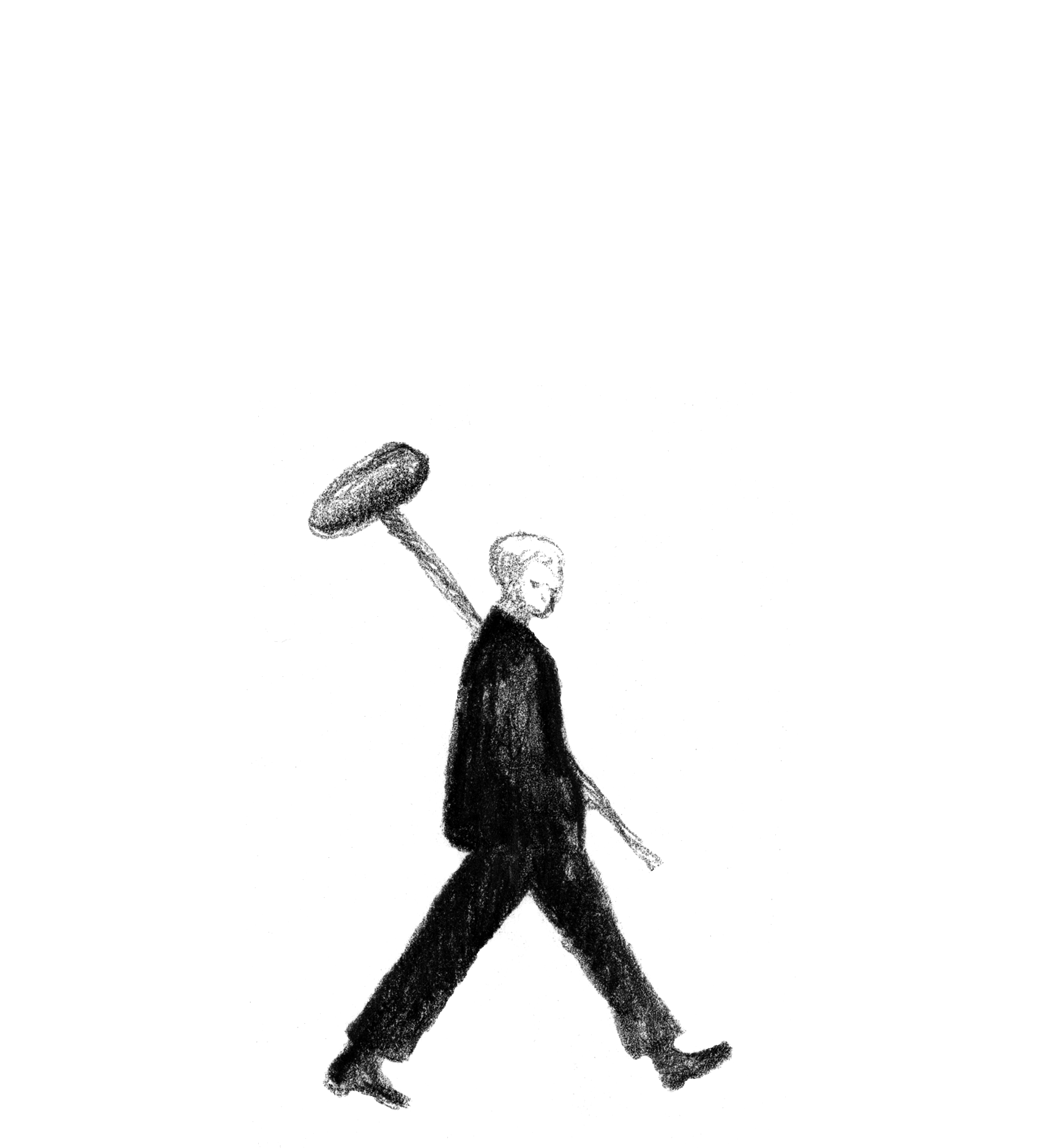
A trajectory exploring the translation of non-human and urban acoustic environments into analog visual forms. By utilizing field recordings (geophones, contact microphones), I treat urban spaces not as static geographies, but as evolving, vibrational landscapes documented through graphic transcription.
A trajectory exploring the translation of non-human and urban acoustic environments into analog visual forms. By utilizing field recordings (geophones, contact microphones), I treat urban spaces not as static geographies, but as evolving, vibrational landscapes documented through graphic transcription.
Visual Advocacy:
Building on my prior collaborations (e.g., Amnesty International), this pillar examines the ethics of representation in human rights communication, testing how non-fiction visual strategies can enhance message retention and public empathy.
Building on my prior collaborations (e.g., Amnesty International), this pillar examines the ethics of representation in human rights communication, testing how non-fiction visual strategies can enhance message retention and public empathy.
Knowledge Transfer & Impact
I am committed to bridging the gap between academic theory and public dissemination. My practice is designed to be multi-scalar: from the intimate scale of the artist’s book, which encourages deep, slow reading, to the public impact of graphic journalism and educational monographs for international publishers.
I am committed to bridging the gap between academic theory and public dissemination. My practice is designed to be multi-scalar: from the intimate scale of the artist’s book, which encourages deep, slow reading, to the public impact of graphic journalism and educational monographs for international publishers.
I am currently developing my research trajectory within the framework of European postdoctoral fellowships, seeking to integrate these methodologies into cross-disciplinary academic environments.