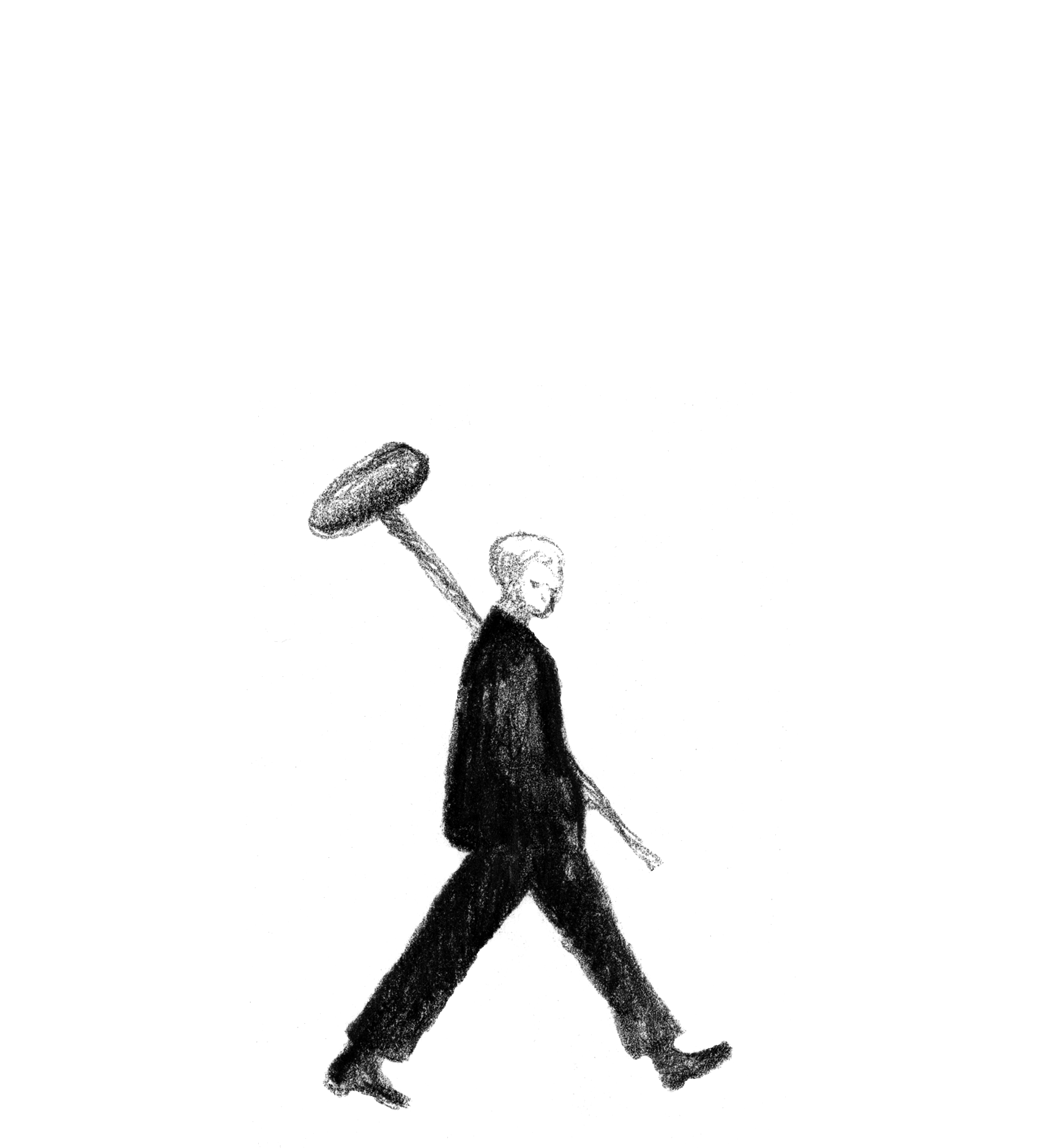
Sonic Graphy: Arctic Expansion
Future Research Initiative
From the Loud City to the Quiet Arctic
My project, Sonic Graphy, started in the noisy streets of big cities. Now, I am expanding this method to the far North, to Lapland. This research initiative focuses on how the changing Arctic environment and its communities are experienced through a neurodivergent lens.
My project, Sonic Graphy, started in the noisy streets of big cities. Now, I am expanding this method to the far North, to Lapland. This research initiative focuses on how the changing Arctic environment and its communities are experienced through a neurodivergent lens.
The Researcher’s Lens: Embodied Practice
This project is conducted from a unique positionality. As an autistic and non-binary researcher, I use my own lived experience and identity as the core interpretive tool. This embodied approach allows me to connect deeply with the sensory environment, exploring spaces of accessibility, community, and quiet transformation that traditional research often misses.
This project is conducted from a unique positionality. As an autistic and non-binary researcher, I use my own lived experience and identity as the core interpretive tool. This embodied approach allows me to connect deeply with the sensory environment, exploring spaces of accessibility, community, and quiet transformation that traditional research often misses.
The Two Faces of Arctic Nature: Challenge and Healing
In the Arctic, the natural environment works in two completely different ways for the neurodivergent system:
In the Arctic, the natural environment works in two completely different ways for the neurodivergent system:
The Challenge: The endless, open space and hidden micro-sounds—like the sharp cracking of ice or the shifting ground—can sometimes feel unpredictable and overwhelming.
The Healing: At the same time, nature is a powerful tool for calming down. Unlike the chaotic, artificial noise of the city, the organic rhythms of the wilderness act as a sensory sanctuary. It is a safe space that helps a highly sensitive nervous system to slow down, breathe, and find peace.
The "Ambient Comic" as a Reportage Tool
To capture this world, I am developing a new visual and narrative format: the Ambient Comic. Just like ambient music, this format does not focus on fast, dramatic action. Instead, it focuses on mood, atmosphere, and a slow, respectful narrative structure.
To capture this world, I am developing a new visual and narrative format: the Ambient Comic. Just like ambient music, this format does not focus on fast, dramatic action. Instead, it focuses on mood, atmosphere, and a slow, respectful narrative structure.
Respecting Time and Space: The comic uses a reportage style to document the ordinary, daily lives of people in the Arctic and to offer a patient observation of nature. The story slows down to match the actual rhythm of the North, giving the reader space to breathe, look, and listen.
Taming the Environment (Story and Sound): For individuals on the autism spectrum, an unfamiliar environment can feel intimidating because the sights and sounds are unpredictable. By documenting local human stories and mapping the specific soundscape, the comic helps to "tame" the space. When a reader understands the history of a place and knows exactly what it sounds like, the unknown world becomes familiar, predictable, and safe.
Micro and Macro Scales: The narrative visualizes how time moves on different scales. It captures micro-time (the split second an ice crystal breaks or a single sound wave vibrates) and macro-time (the slow, ancient movement of communities, glaciers, and seasons changing over decades).
Showing Hidden Structures: I draw the visual and sonic structures of the North—from the tiny geometric patterns of frozen water to the vast shapes of the arctic landscape and human spaces.
Micro and Macro Scales: The narrative visualizes how time moves on different scales. It captures micro-time (the split second an ice crystal breaks or a single sound wave vibrates) and macro-time (the slow, ancient movement of communities, glaciers, and seasons changing over decades).
Showing Hidden Structures: I draw the visual and sonic structures of the North—from the tiny geometric patterns of frozen water to the vast shapes of the arctic landscape and human spaces.
Recording Hidden Rhythms
I use special, high-quality microphones and sensors to record these twin experiences. I capture the sounds of a changing planet, mapping both the environmental tension and the profound peace that nature and local community life bring to the senses.
I use special, high-quality microphones and sensors to record these twin experiences. I capture the sounds of a changing planet, mapping both the environmental tension and the profound peace that nature and local community life bring to the senses.
Building a Bridge
These comics act as a sensory translator. They help organizations, scientists, and leaders understand that protecting natural, quiet spaces and traditional rhythms of life is not just an ecological goal; it is a vital matter of human accessibility, mental well-being, and cultural preservation.
These comics act as a sensory translator. They help organizations, scientists, and leaders understand that protecting natural, quiet spaces and traditional rhythms of life is not just an ecological goal; it is a vital matter of human accessibility, mental well-being, and cultural preservation.