Projects Title: Visual Advocacy:
Human Rights & Graphic Narratives
Human Rights & Graphic Narratives
A Practice-Based Inquiry into Visual Storytelling and Social Justice
Projects Description:
These projects function as a collective interdisciplinary inquiry into the role of visual narrative within human rights communication. The primary objective is to develop a consistent framework for Visual Advocacy—translating complex legal and social postulates into a graphic language capable of evoking authentic public empathy. By bridging design and human rights discourse, this body of work aims to activate public awareness through strategic, practice-based storytelling.
------------------------------------------
Project: Visualizing Justice | Amnesty International
Collaboration:
Partnership with Amnesty International / Borderline Studio (London, 2018).
Partnership with Amnesty International / Borderline Studio (London, 2018).
Project Context:
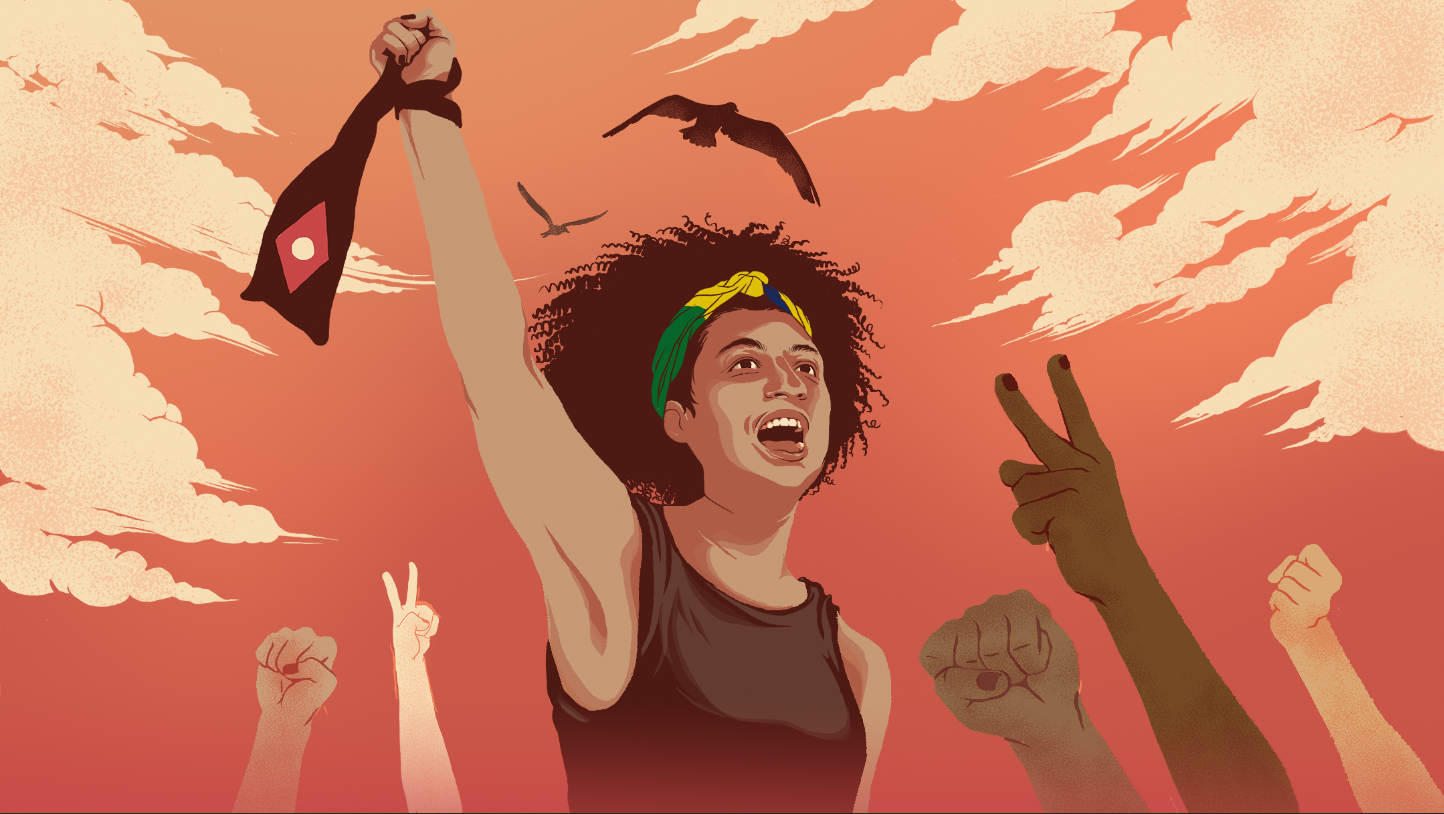
An interdisciplinary inquiry into the role of visual narrative within human rights communication. The objective was to translate complex legal and social postulates into a graphic language capable of evoking public empathy and awareness.
An interdisciplinary inquiry into the role of visual narrative within human rights communication. The objective was to translate complex legal and social postulates into a graphic language capable of evoking public empathy and awareness.
Methodology :
Representational Ethics: Examining how the visualization of human rights violations influences public perception and engagement.
Representational Ethics: Examining how the visualization of human rights violations influences public perception and engagement.
Data Synthesis:
Processing factual data into dynamic narratives that combine technical accuracy with emotional gravitas.
Human-Centric Storytelling: Bridging the gap between clinical/legal reporting and accessible, human-centric visual forms.
Processing factual data into dynamic narratives that combine technical accuracy with emotional gravitas.
Human-Centric Storytelling: Bridging the gap between clinical/legal reporting and accessible, human-centric visual forms.
Research Contribution:
This project tested the efficacy of graphic storytelling in enhancing message retention for social campaigns. It serves as a foundational case study in my research into visual tools that support systemic justice and advocacy.
This project tested the efficacy of graphic storytelling in enhancing message retention for social campaigns. It serves as a foundational case study in my research into visual tools that support systemic justice and advocacy.
------------------------------------------
Project: The Road to Gender Equity | theSkimm x Under Armour
Collaboration:
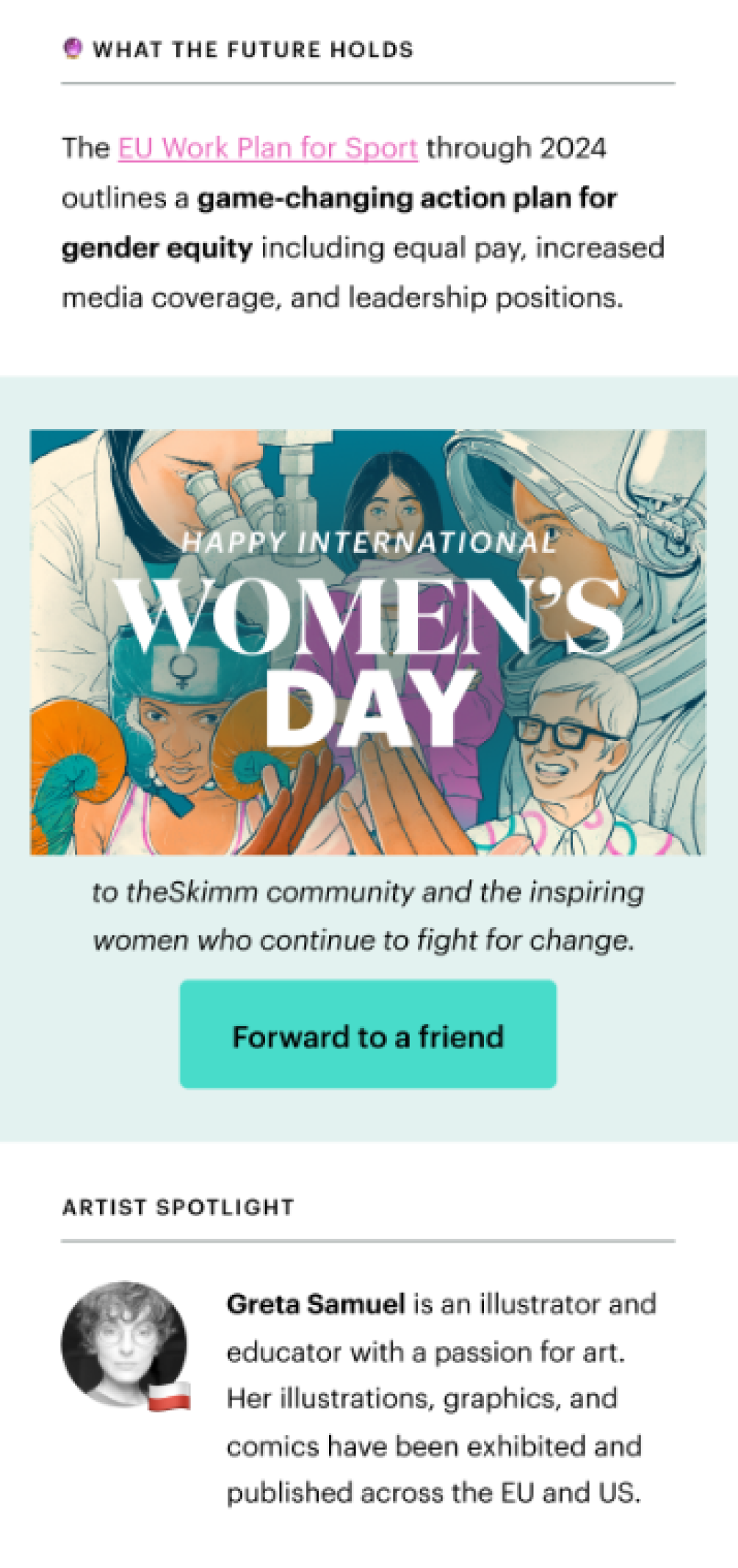
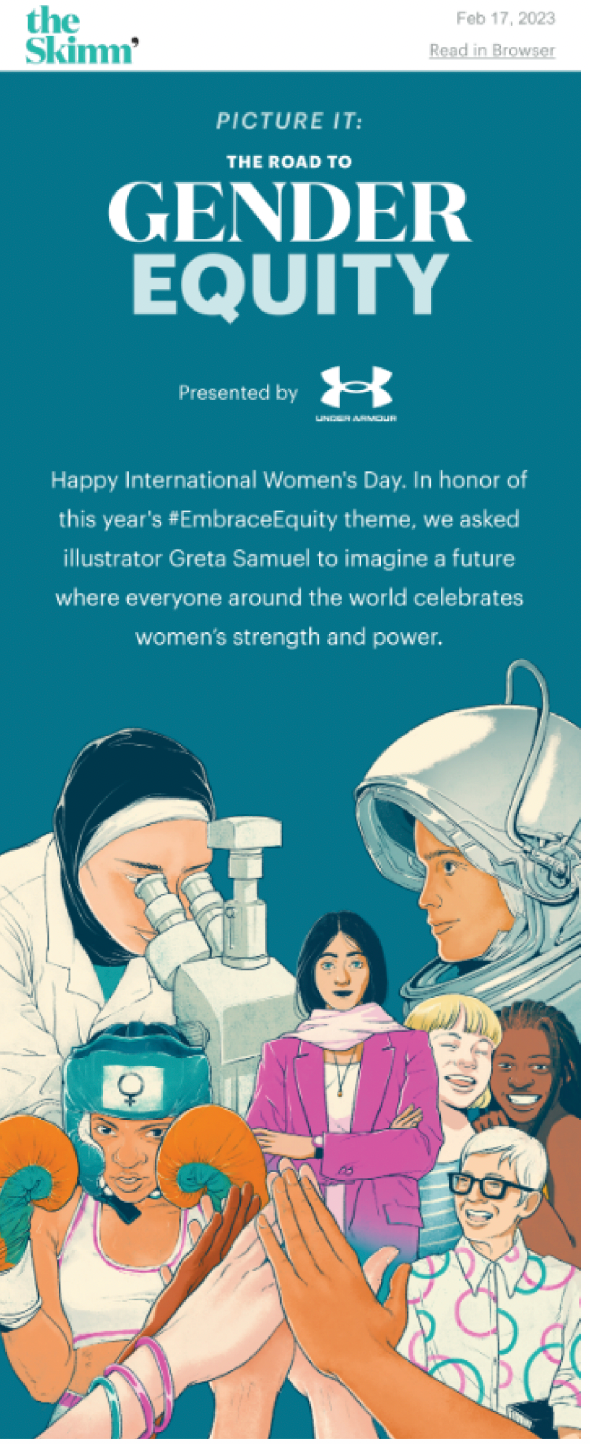
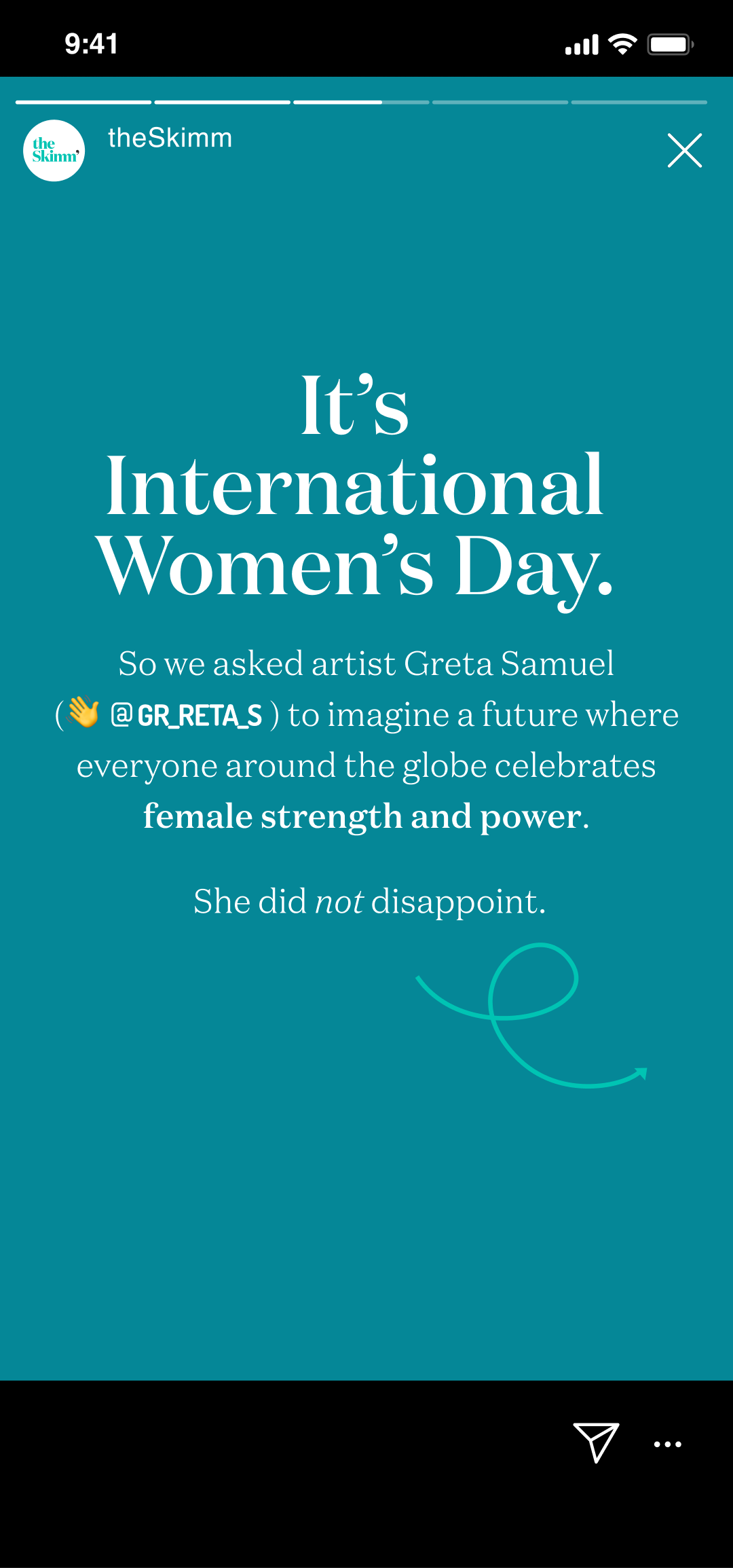
Commissioned by theSkimm x Under Armour for International Women’s Day (2023).
Commissioned by theSkimm x Under Armour for International Women’s Day (2023).
Project Context:
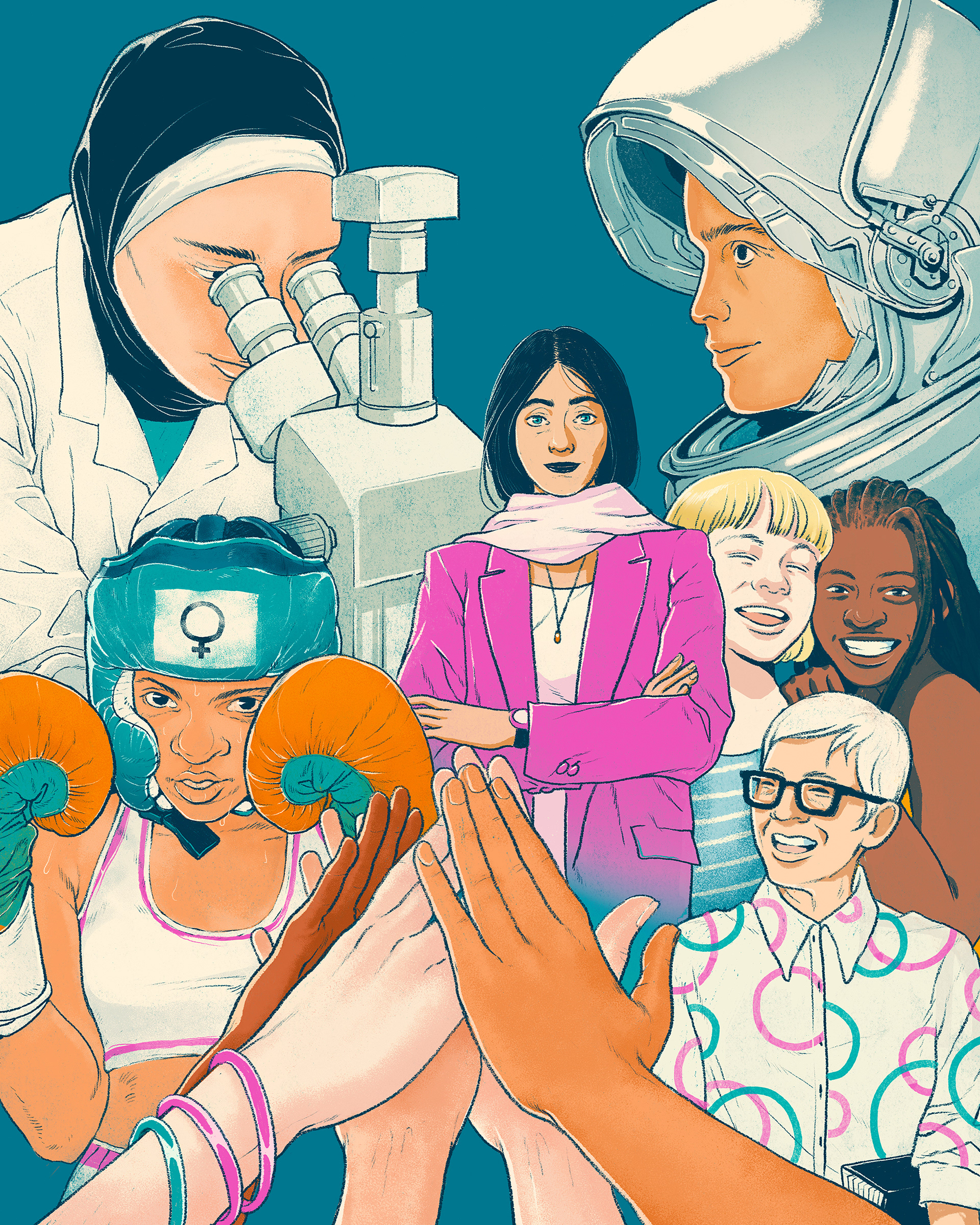
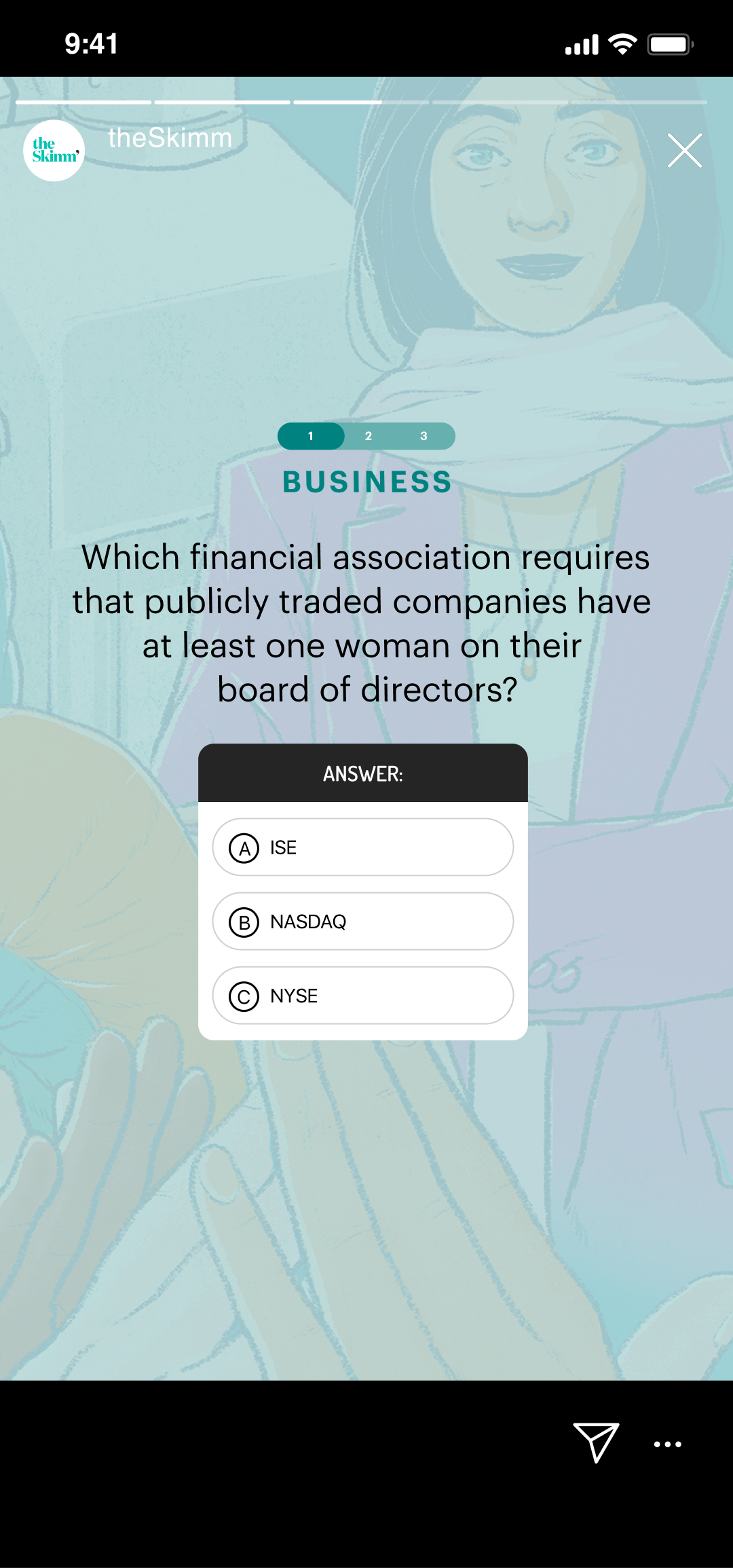
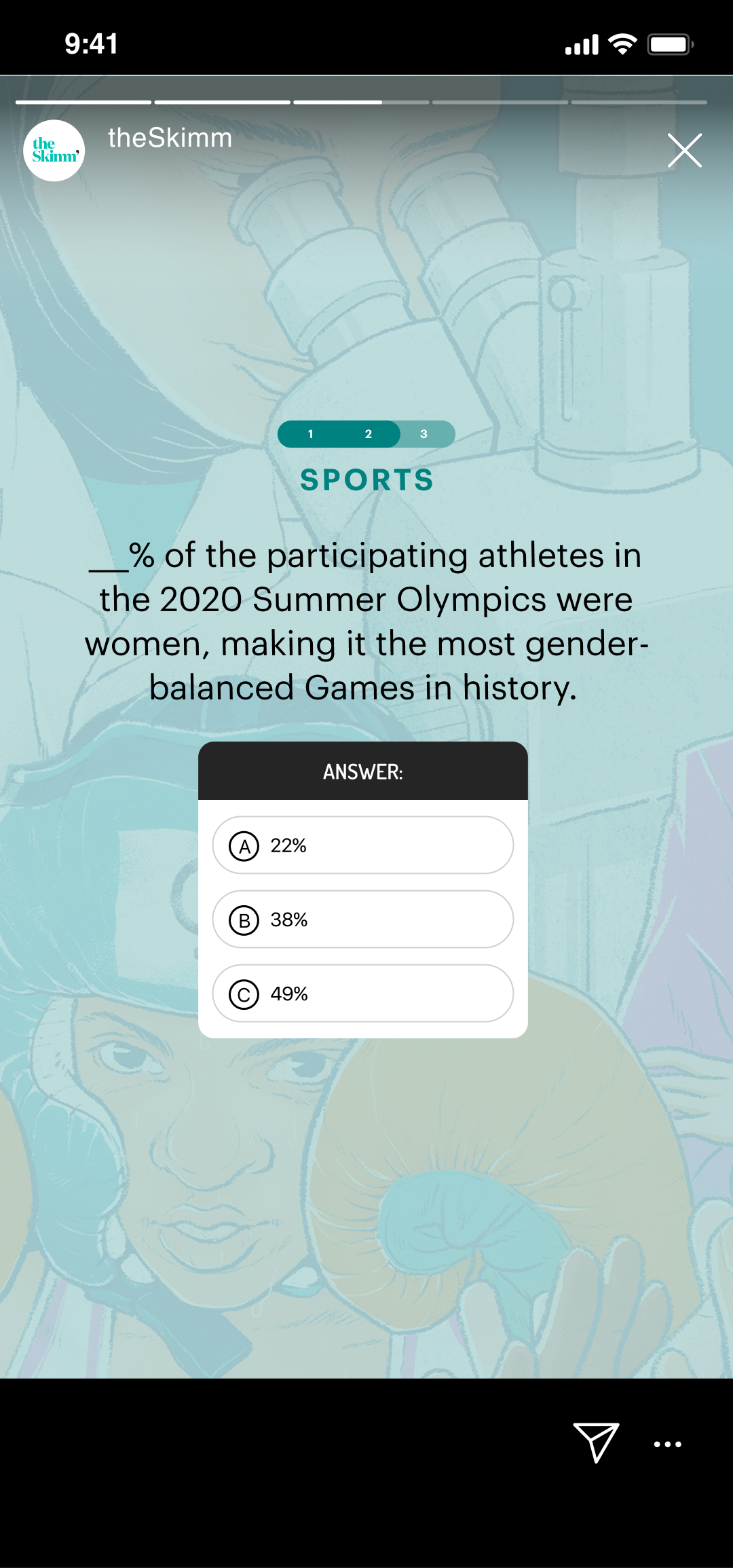
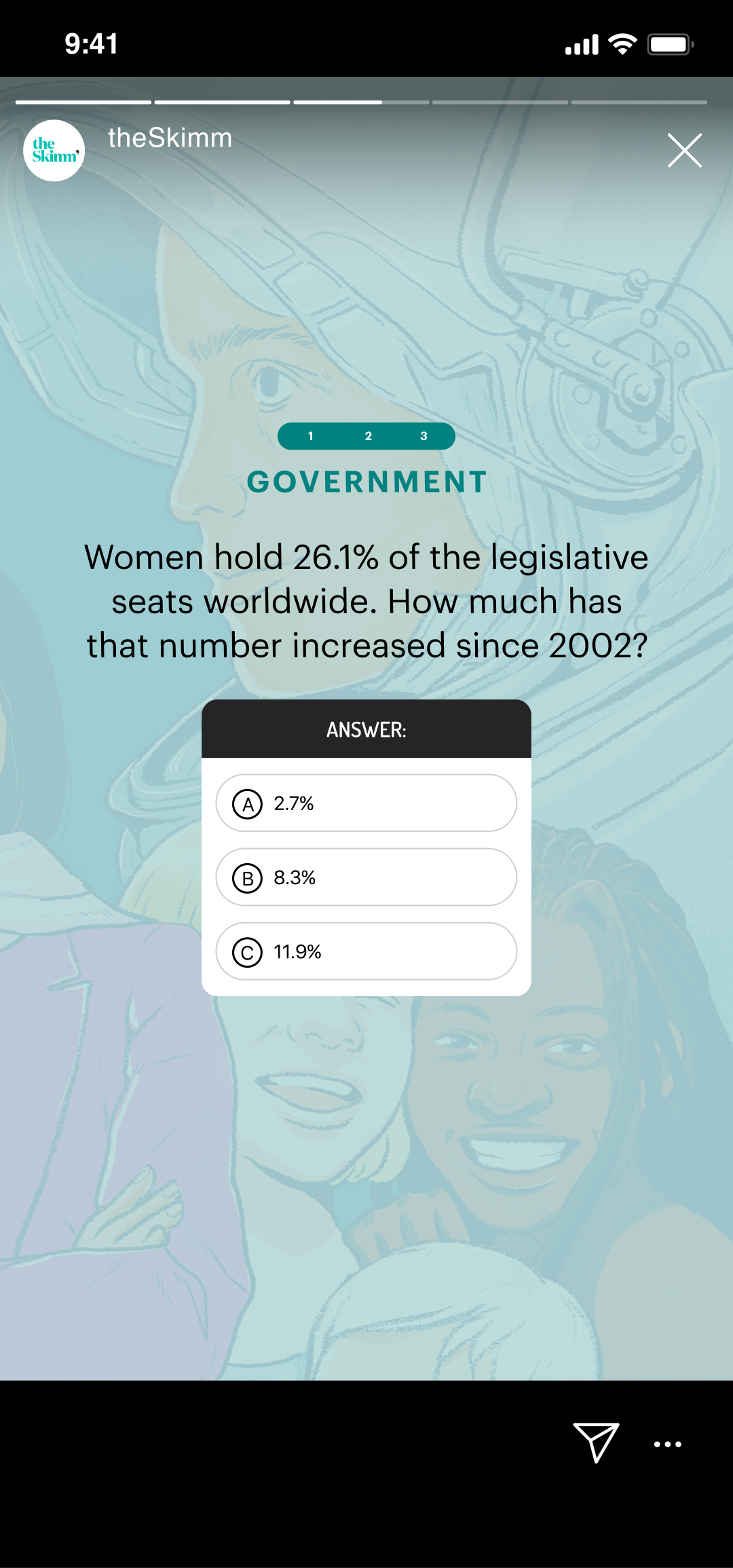
A global campaign designed to visualize the theme #EmbraceEquity, imagining a future defined by women’s strength and agency across diverse professional fields.
A global campaign designed to visualize the theme #EmbraceEquity, imagining a future defined by women’s strength and agency across diverse professional fields.
Methodology:
Utilizing inclusive character design and semiotic juxtaposition—pairing scientific tools with athletic grit—to disrupt traditional gendered visual codes and represent a "shared purpose".
Utilizing inclusive character design and semiotic juxtaposition—pairing scientific tools with athletic grit—to disrupt traditional gendered visual codes and represent a "shared purpose".
Research Contribution:
A primary example of Visual Advocacy in action, demonstrating how "visual inquiry" translates social justice theory into scalable, high-impact media narratives for inclusive leadership
A primary example of Visual Advocacy in action, demonstrating how "visual inquiry" translates social justice theory into scalable, high-impact media narratives for inclusive leadership
------------------------------------------
Project: Gendered Authorship and the Erasure of Female Agency
Collaboration:
Culture Trip, London (2018)
Collaboration:
Culture Trip, London (2018)
Project Context:
This visual inquiry investigates the historical phenomenon of gendered attribution within the Modernist movement. The project highlights the systemic erasure of female creative contributions, where intellectual and artistic ownership was frequently and disproportionately attributed to male contemporaries.
This visual inquiry investigates the historical phenomenon of gendered attribution within the Modernist movement. The project highlights the systemic erasure of female creative contributions, where intellectual and artistic ownership was frequently and disproportionately attributed to male contemporaries.
Methodology (Visual Semiotics):
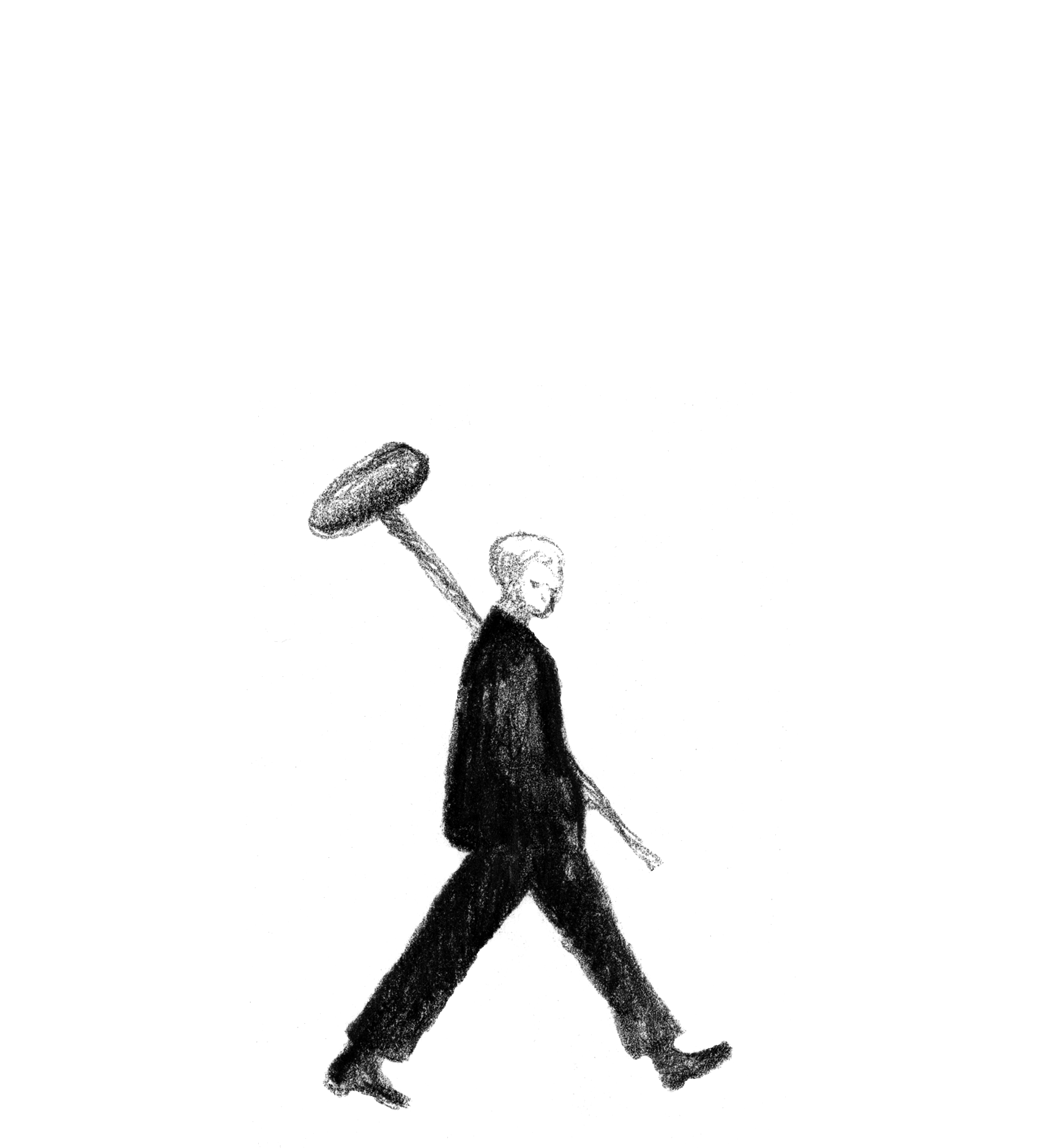
My approach utilizes visual semiotics to translate abstract historical grievances into a tangible graphic argument. The composition, juxtaposing the formal, authorized space of the "masculine" archive with the fragmented, marginalized status of the "feminine" contribution, functions as a visual critique of historical documentation. By visualizing the dichotomy between recognized authorship and suppressed labor, this work aims to expose the mechanisms of patriarchal appropriation in art and design history.
My approach utilizes visual semiotics to translate abstract historical grievances into a tangible graphic argument. The composition, juxtaposing the formal, authorized space of the "masculine" archive with the fragmented, marginalized status of the "feminine" contribution, functions as a visual critique of historical documentation. By visualizing the dichotomy between recognized authorship and suppressed labor, this work aims to expose the mechanisms of patriarchal appropriation in art and design history.
Research Contribution:
This project serves as an act of counter-archiving. It does not merely illustrate history; it problematizes the ways in which historical canons are constructed. Through graphic narrative, I seek to reclaim the visibility of these "forgotten pioneers," contributing to a broader academic discourse on gender equity in the design canon.
This project serves as an act of counter-archiving. It does not merely illustrate history; it problematizes the ways in which historical canons are constructed. Through graphic narrative, I seek to reclaim the visibility of these "forgotten pioneers," contributing to a broader academic discourse on gender equity in the design canon.


------------------------------------------
Project: Trans Awareness & Visual Identity
Collaboration:
Commissioned by Culture Trip (London, 2018) for an editorial feature on Trans Awareness.
Commissioned by Culture Trip (London, 2018) for an editorial feature on Trans Awareness.
Project Context:
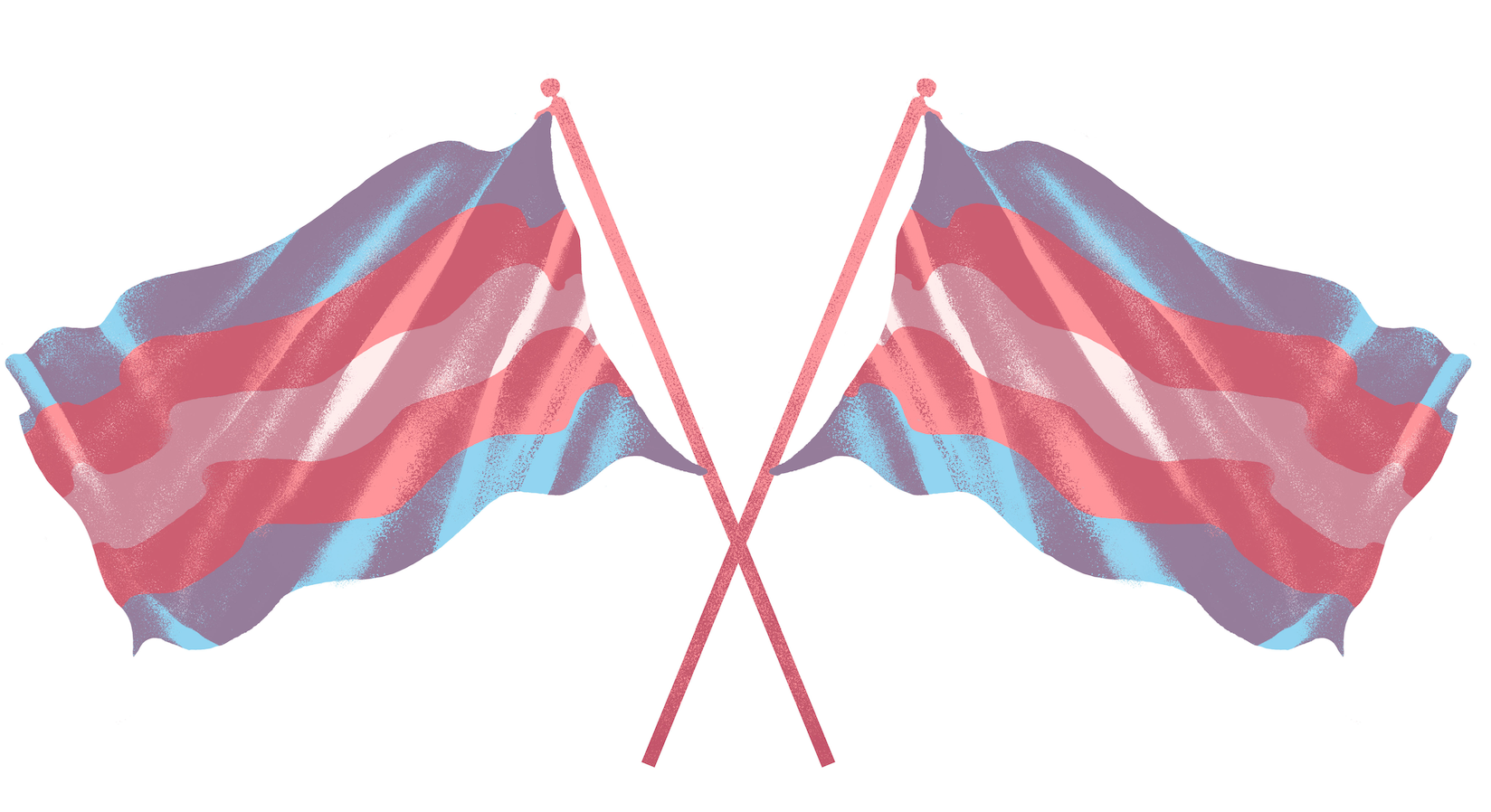
An editorial project aimed at increasing visibility and understanding of transgender identities within a global cultural context. The illustration served as a primary visual anchor for digital content, focusing on solidarity and the collective protection of human rights.
An editorial project aimed at increasing visibility and understanding of transgender identities within a global cultural context. The illustration served as a primary visual anchor for digital content, focusing on solidarity and the collective protection of human rights.
Methodology:
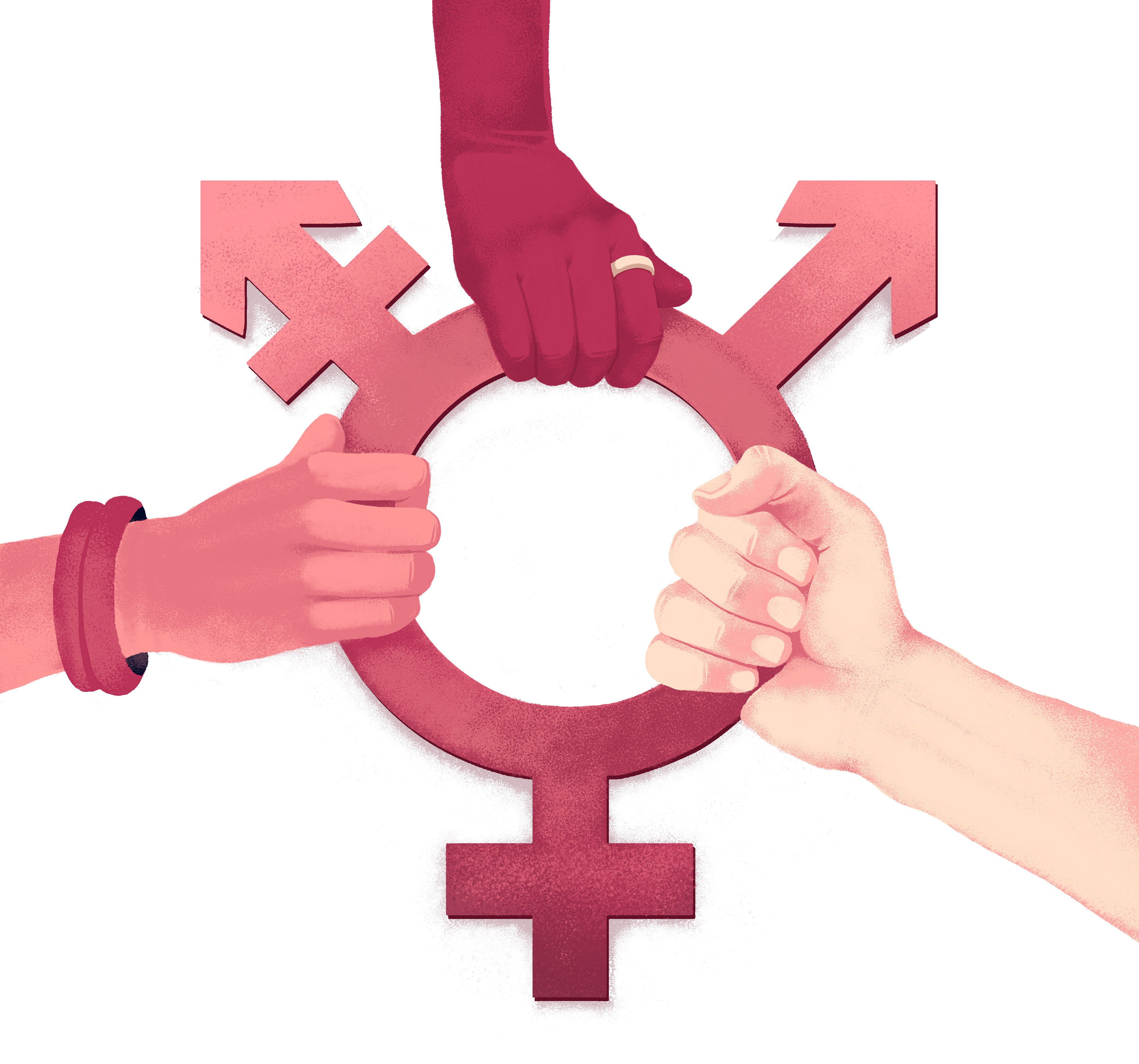
Reclaiming Symbols: The central focus is the transgender symbol, transformed from a static icon into a dynamic, three-dimensional object of collective support.
The Power of Touch: Using multiple hands to grasp the symbol represents a "shared guardianship". This semiotic shift emphasizes that identity is not just a personal trait, but a human right protected by the community.
Inclusive Textures: Varied skin tones and subtle details (like the ring and bracelet) are used to ground the abstract symbol in the "lived experience" of diverse individuals.
Reclaiming Symbols: The central focus is the transgender symbol, transformed from a static icon into a dynamic, three-dimensional object of collective support.
The Power of Touch: Using multiple hands to grasp the symbol represents a "shared guardianship". This semiotic shift emphasizes that identity is not just a personal trait, but a human right protected by the community.
Inclusive Textures: Varied skin tones and subtle details (like the ring and bracelet) are used to ground the abstract symbol in the "lived experience" of diverse individuals.
Research Contribution:
This work explores how Visual Advocacy can restructure universal symbols to foster empathy. It demonstrates the role of "Graphic Journalism" in making complex gender-diverse identities tangible and relatable for a broad international audience.
This work explores how Visual Advocacy can restructure universal symbols to foster empathy. It demonstrates the role of "Graphic Journalism" in making complex gender-diverse identities tangible and relatable for a broad international audience.